
The Psychology of Patient Engagement: How Communication Boards Build Trust
Entering a hospital is rarely a choice a person makes happily. It is a moment defined by vulnerability. Patients are stripped of their daily routines, their clothes, and often their sense of agency. In this high-stress environment, the psychology of the patient experience becomes just as critical as the clinical care they receive.
For healthcare providers, understanding this psychological landscape is key to improving health care outcomes and improving patient satisfaction. It is not enough to simply treat the illness; we must engage the person. This is where patient engagement tools like Patient Communication Boards transcend their role as simple office supplies. They become psychological anchors, rebuilding the trust and control that illness often strips away.
This article explores the deep psychological mechanics behind patient engagement. We will look at why trust matters, how visual tools reduce anxiety, and practical ways to build a strong medical staff-patient relationship that benefits everyone involved.
The Role of Trust in Patient Outcomes
Trust is the currency of health care. Without it, even the most sophisticated care plans can fail. When a patient trusts their healthcare providers, they are more likely to share critical but embarrassing symptoms, adhere to medication regimens, and follow discharge instructions.
Psychologically, trust reduces the “fight or flight” response. A patient who doubts their care team is in a constant state of hyper-arousal, scanning for threats or errors. This stress response releases cortisol, which can actually impede healing and recovery.
Building this trust quickly is a major challenge for nurses who might only have a few minutes with a patient during hourly rounds. Trust is built on consistency, transparency, and effective communication. When a patient sees a care plan written down—visible, clear, and committed to ink—it signals that the hospital is hiding nothing. It transforms the relationship from a hierarchy (doctor/patient) to a partnership.

How Visual Communication Reduces Anxiety
The human brain processes visual information 60,000 times faster than text or verbal instructions. In a hospital setting, this biological fact is crucial. Patients are often in pain, under the influence of medication, or simply exhausted. Their cognitive ability to process complex verbal medical updates is significantly compromised, which can lead to misunderstandings and medical errors.
When a nurse explains a care plan verbally, the patient might retain only a fraction of it. This gap in understanding breeds anxiety and confusion about treatment plans and next steps. “Did she say the doctor is coming at 2:00 or 4:00?” “Am I allowed to drink water yet?” Such uncertainty can negatively impact health outcomes and patient well being.
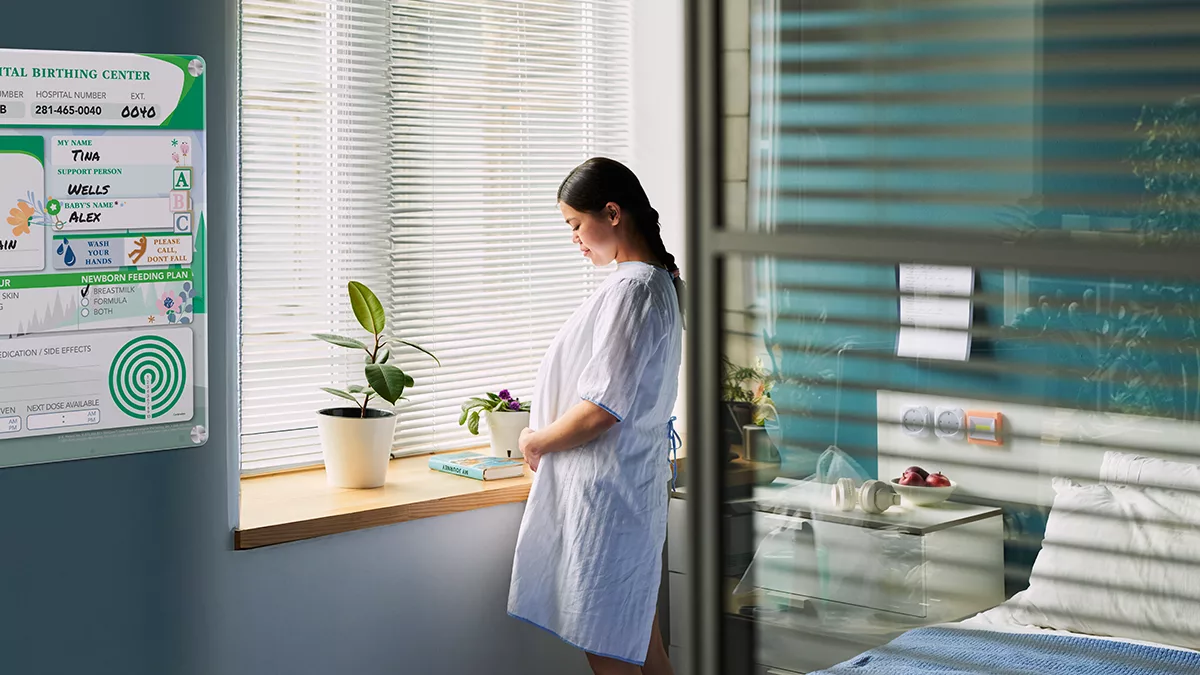
Patient engagement tools like Patient Communication Boards bridge this cognitive gap by providing clear, visual communication that supports patient education and health literacy. By displaying critical information—such as the names of the care team, the daily schedule, pain management goals, and test results—visually, the hospital offloads the cognitive burden from the patient. They don’t have to remember; they just have to look. This reduction in cognitive load directly lowers anxiety levels, allowing the patient to focus their mental energy on healing rather than remembering.
These boards also promote patient centered care by involving patients in their own care plans and encouraging active participation. When patients can see their medical records and care instructions clearly displayed, they are more likely to engage, ask questions, and adhere to treatment plans. This involvement fosters trust and improves communication between healthcare professionals and patients, leading to better outcomes and higher patient satisfaction.
In today’s digital world, healthcare organizations are increasingly recognizing the value of such low-tech yet highly effective tools. Patient portals and digital communication platforms complement these boards, but the tactile, visible nature of communication boards uniquely supports patients with varying levels of health literacy and cognitive function.
By integrating patient communication boards into the care environment, healthcare providers can address patient concerns more effectively, reduce confusion, and improve the overall patient experience. This simple yet powerful tool exemplifies how actionable insights from healthcare research translate into practical solutions that enhance quality outcomes and patient care.
Restoring Patient Autonomy in a Regulated Environment
One of the most psychologically damaging aspects of hospitalization is the loss of autonomy. Patients are told when to eat, when to sleep, and when they can move. This loss of control can lead to “learned helplessness,” a state where many patients stop engaging in their own care because they feel their actions don’t matter.
Patient engagement tools are vital for restoring a sense of agency and promoting patient involvement. A communication board that includes a section for “Patient’s Goal for the Day” or “Questions for the Doctor” invites the patient to participate actively in their care plan. It signals that their voice has weight in the room and helps improve patient experience by fostering personalized care.
Even small choices matter. Writing down a preference, such as “Please knock before entering,” gives the patient a boundary they can control. Psychologically, regaining this small amount of territory empowers the patient, shifting them from a passive recipient of care to an active participant. This sense of control supports self management and aligns with value based care principles by encouraging patients to communicate their needs in their own words.
By incorporating these tools into primary care and hospital settings, healthcare providers can create a comfortable environment that respects patient autonomy and promotes trust. Patients feel more confident when they have access to clear information and can engage with their care team through preferred communication channels. This active listening and engagement ultimately lead to better health outcomes and higher patient satisfaction.
Reducing Cognitive Load During High-Stress Moments
We often underestimate the sheer volume of information a patient is expected to absorb. Diagnoses, prognoses, medication names, potential side effects, dietary restrictions—it is an avalanche of data that can overwhelm even the most attentive patient.
For the nursing staff and physicians, this information is routine and part of daily healthcare services. However, for the patient and prospective patients, it is foreign and often terrifying. When the brain is overwhelmed, it shuts down, making it difficult for patients to retain critical details. This is why patients often nod along while a doctor speaks, only to ask the nurse, “What did he just say?” five minutes later.
Visual aids act as an external hard drive for the patient’s memory. By documenting the “Key Takeaways” or “Next Steps” on a patient communication board, you provide a safety net that supports patient education and health literacy. This allows the patient to process the information at their own pace and reduces cognitive load during high-stress moments. It also supports family members, who are often the true keepers of the patient’s medical records and history, ensuring everyone involved in patient care is working from the same set of facts.
Using these patient engagement tools encourages patients to be active participants in their treatment plans by involving them in their care and fostering open communication. Nurses and healthcare providers who practice active listening and employ the teach back method can better identify patient concerns and address issues effectively. This approach builds trust and improves the overall patient experience.
Moreover, incorporating a patient’s preferred name on communication boards and maintaining eye contact during interactions further humanizes the clinical environment, making patients feel seen and heard. Such strategies are creative ways to enhance patient involvement and satisfaction, ultimately leading to better health outcomes and quality care.
By leveraging these tools to bridge communication gaps, healthcare organizations can improve patient engagement, close care gaps, and enhance patient satisfaction scores. Effective use of patient engagement tools not only benefits patients but also supports healthcare professionals by streamlining communication and reducing medical errors, contributing to improved quality outcomes across care settings.
Bridging the Gap: How Boards Humanize the Clinical Environment
Hospitals are sterile by design, but care should not be. A major barrier to rapport is the anonymity of the clinical environment. To a patient, a parade of scrubs enters and exits the room, often indistinguishable from one another.
Patient engagement tools like Patient Communication Boards play a crucial role in humanizing the staff and transforming the sterile hospital environment into a more welcoming and patient-centered care space. By writing the nurse’s name, the CNA’s name, and other key healthcare providers on the board, patients gain an identity for their caregivers. This simple act allows the patient to call their caregiver by name, fostering a fundamental building block of human connection and trust, which is essential for improving patient satisfaction and overall patient experience.
Conversely, these boards serve as a valuable communication strategy for healthcare providers to better understand the patient from the patient’s perspective. Including a “What Matters to Me” section on a board can reveal personal details such as the patient being a gardener, a grandmother, or even fearful of needles. These small but meaningful personal touches enable nurses and healthcare professionals to connect on a human level quickly, bypassing the awkward “getting to know you” phase, and moving straight to empathetic, personalized care.
This approach aligns with the principles of patient-centered care and supports active listening by encouraging healthcare providers to engage with patients beyond their medical conditions. It also promotes patient involvement, empowering patients to participate actively in their treatment plans. By bridging the communication gap between patients and healthcare providers, patient engagement tools like communication boards contribute to reducing medical errors and improving health outcomes.
Incorporating these tools into hospital whiteboards and healthcare signage not only enhances the quality of patient care but also supports healthcare organizations in meeting value-based care goals. Furthermore, these communication solutions help improve HCAHPS scores by fostering transparency and clarity in the care process, resulting in higher patient satisfaction and trust.
Ultimately, patient communication boards are more than just dry erase boards or safety boards; they are essential patient engagement tools that create a comfortable environment where patients feel seen, heard, and valued. This humanization of the clinical environment is a creative way to enhance patient engagement, close care gaps, and improve overall quality outcomes in healthcare settings.
Examples of Trust-Building Tools in Action
How does this look in practice? Let’s examine a few scenarios where patient engagement tools fundamentally change the dynamic.
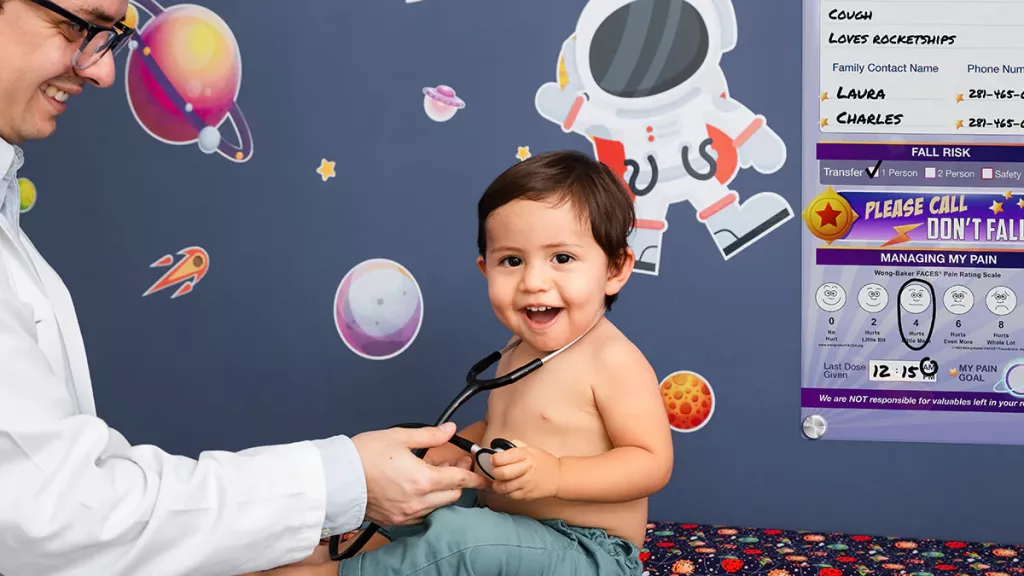
- The “Pain Plan”: A patient recovering from surgery is anxious about pain. Instead of vaguely promising “we will manage it,” the nurse writes the Pain Management Plan on the board: “Next dose available at 2:00 PM. Goal: Pain score < 4.” The patient now has a concrete expectation and trusts the nurse is tracking it.
- The Discharge Date: Nothing causes more anxiety than the unknown of “when can I go home?” Writing an Estimated Discharge Date and the Criteria for Discharge (e.g., “Walk in hall,” “Eat solid food”) gives the patient a finish line. They trust the process because they can see the milestones they need to hit.
- The Family Connection: A daughter visits her elderly father and sees a note on the board: “Physical Therapy was here at 10:00 AM – Dad walked 50 feet!” Even though she wasn’t there, she trusts the care team is active and attentive.
Empowering Healing Through Clear Communication
The psychology of patient engagement is complex, but the tools to support it do not have to be. While high-tech solutions have their place, the simple, consistent use of patient engagement tools like Patient Communication Boards remains one of the most effective ways to build trust.
For healthcare providers, these tools are a way to build rapport efficiently in a time-constrained environment. By using effective communication strategies—including active listening and positive body language—nurses help patients feel heard and involved in their care plan. For administrators, these tools are a low-cost, high-impact method to improve patient satisfaction and close care gaps.
Ultimately, by addressing the psychological needs of the patient—their need for trust, understanding, and control—we pave the way for better physical healing and improving the patient experience.