
Nurse Patient Communication Strategies: How to Choose the Right Patient Communication Board for Your Hospital
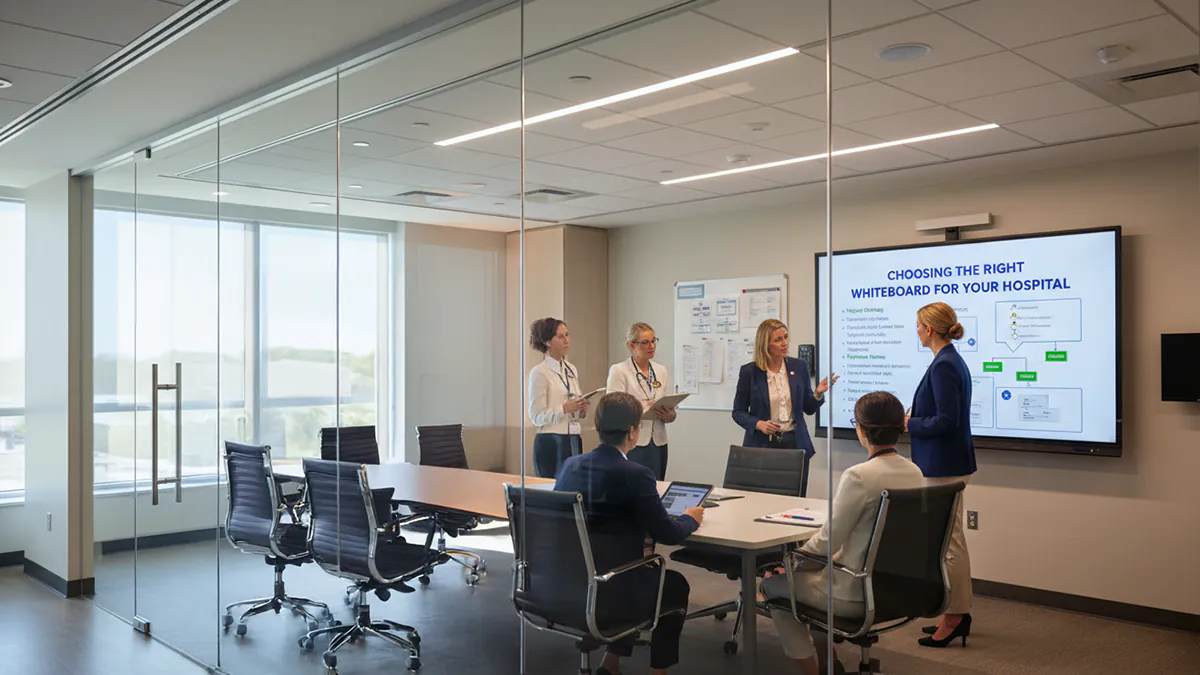
Visual Communication in Healthcare is a cornerstone of effective patient care. Patient communication boards have become essential tools for improving patient engagement, satisfaction, and nurse-patient communication. But with so many options available, how do you choose the right one for your hospital?
Understanding the Role of Patient Communication Boards
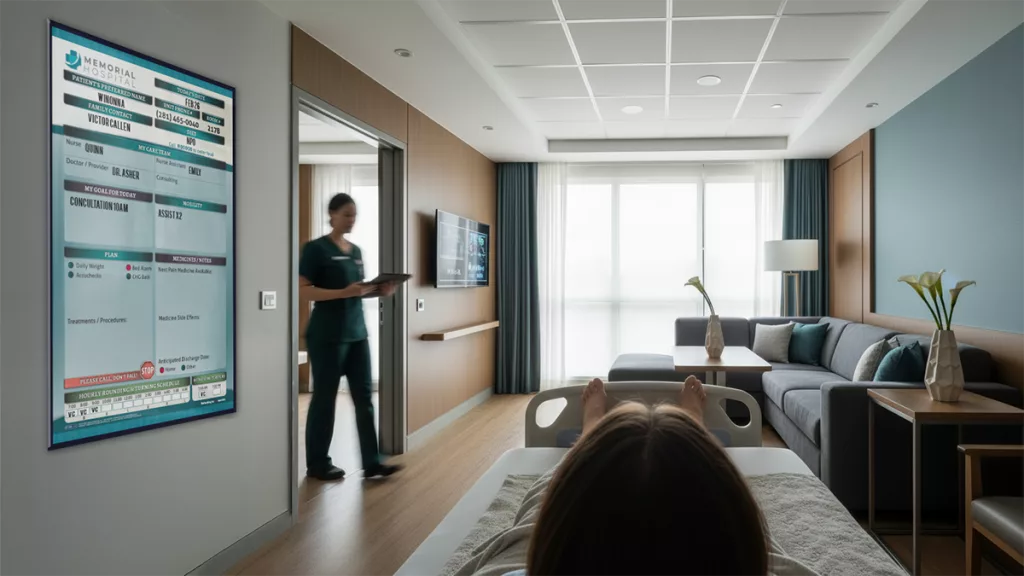
Patient communication boards are more than just wall-mounted tools—they are vital components of patient-centered care tools. These boards bridge the gap between patients and care teams, providing a centralized hub for critical information. By supporting provider communication, patient communication boards facilitate clear, empathetic exchanges between healthcare providers and patients, which is essential for building trust, emotional comfort, and a positive care experience. Whether it’s a bedside communication board or a digital display, these tools empower patients, enhance communication, and improve overall satisfaction.
Key strategies for effective nurse patient communication include maintaining eye contact, sitting at the patient’s level, using open-ended questions, and demonstrating cultural competence; patient communication boards can support these strategies by making information accessible and encouraging meaningful interactions.
Key Features to Look for in a Patient Communication Board
When evaluating patient communication boards, it’s essential to focus on features that enhance the experiences of both patients and staff. Visual clarity and accessibility are paramount; boards should be designed to be easily read and understood, even by patients with visual or cognitive impairments. It is also important to use simple, plain language instead of medical jargon to explain procedures or medications, ensuring information is accessible to all. For instance, VisiCare’s bedside communication boards utilize high-contrast visuals to ensure maximum clarity. Customization is another critical feature, as tailored boards can be adapted to meet the specific needs of different departments, from the ICU to maternity wards, providing department-specific solutions. Furthermore, consider the durability and maintenance requirements, as these boards must withstand frequent use and be easy to clean. Finally, look for integration capabilities with other patient engagement tools. Digital boards that sync with Electronic Health Records (EHRs) can streamline workflows and provide real-time updates, with VisiCare’s digital communication boards serving as a great example of this innovation.

Aligning Board Best Practices with Hospital Goals
The right communication board should do more than just display information; it must align with your hospital’s broader objectives. One key goal is improving patient satisfaction solutions. Boards that clearly display care plans, daily goals, and the names of the care team can directly and positively impact patient survey scores and contribute to better outcomes by supporting high-quality, patient-centered care. They also play a crucial role in enhancing nurse-patient communication strategies. By providing a central source for common questions, these boards can reduce repetitive inquiries, freeing up nurses to focus on direct patient care. Effective discharge communication, supported by clear communication boards, is associated with better outcomes, including lower readmission rates and higher satisfaction scores. Ultimately, communication boards are powerful patient-centered care tools that empower patients to actively participate in their treatment, fostering a more collaborative and trusting healthcare environment.
Evaluating Usability for Staff and Patient Experience
A truly effective communication board is one that works seamlessly for everyone who uses it. For clinical staff, ease of use is critical. The board should integrate smoothly into existing nursing workflows without adding burdensome tasks or complicating processes. For patients, the focus should be on engagement and understanding. A well-designed board empowers patients by providing clear, actionable information, encouraging them to ask informed questions and take a more active role in their own care journey.
Considering the Environment and Placement to Enhance Communication
The physical placement and design of communication boards can significantly impact their effectiveness. Bedside communication boards, for example, must be positioned where they are easily visible and accessible to both the patient in bed and the staff in the room. Selecting hospital furniture is a critical decision that directly impacts patient care, staff efficiency, and the overall healing environment. Comfortable seating for patients and visitors is essential, as it contributes to a calming, respectful atmosphere, reduces anxiety, and enhances overall satisfaction with the hospital stay. Both nurses and interior designers bring unique insights to this process, ensuring that furniture choices balance functionality, comfort, and aesthetics. The hospital environment, including cleanliness and noise levels, significantly affects patients’ sense of safety and recovery.
Nurse’s Perspective to Improve Communication Barriers
From a nurse’s viewpoint, hospital furniture must support the demanding nature of clinical work while promoting patient safety and comfort. Key considerations include ergonomic design to reduce physical strain during long shifts, easy mobility for quick access to patients, and durability to withstand frequent cleaning and heavy use. Nurses prioritize furniture that facilitates efficient workflows, such as adjustable chairs and beds that accommodate various patient needs and enable safe transfers. Effective nurse patient communication strategies are especially critical during patient transfers, as poor communication at these times can lead to medical errors and compromise patient safety. Communication boards can help ensure smooth transitions by providing a clear and accessible way to exchange essential information during transfers. Additionally, storage solutions integrated into furniture help keep essential supplies within reach, minimizing time spent searching for equipment. Nurses who take the time to listen and understand the concerns of each of their patients are better prepared to address issues as they arise, resulting in better patient outcomes. Comfort for patients and family members is also essential, with nurses favoring seating options that encourage family involvement and create a supportive atmosphere.
How Healthcare Interior Design Differs from Personal Design Choice
- Focuses on creating safe, functional, and comforting environments specifically for medical facilities like hospitals, clinics, and nursing homes.
- Requires the skill to design spaces that foster effective nurse patient communication strategies and support patient-centered care.
- Prioritizes infection control through the selection of materials and finishes that are easy to clean and resistant to wear.
- Emphasizes accessibility to accommodate patients with diverse mobility and health needs.
- Considers lighting design that supports both patient comfort and clinical tasks.
- Uses colors and materials chosen for their psychological impact to promote healing and reduce stress.
- Designs spaces to improve staff efficiency and workflow, balancing patient care needs and operational demands.
- Incorporates regulations and standards unique to healthcare settings, unlike personal residential design.
- Focuses on durability and maintenance requirements due to high traffic and frequent cleaning.
- Balances clinical functionality with a welcoming and comforting environment for patients and families.
- Collaborates closely with healthcare professionals to ensure design supports patient-centered care and safety.
Interior Designer’s Perspective on Health Care Design
Interior designers focus on creating hospital spaces that are both functional and healing. Their approach emphasizes aesthetics, spatial planning, and the psychological impact of furniture choices. Designers select furniture that complements the overall design theme, using colors, textures, and materials that promote calm and reduce stress. They also consider infection control, choosing materials that are easy to clean and resistant to wear. The layout and size of furniture are planned to optimize space, ensuring clear pathways for staff and equipment, while providing comfortable areas for patients and visitors. Well-designed spaces can facilitate positive body language, such as open posture and eye contact, between staff and patients, supporting effective nurse patient communication strategies and fostering trust. Designers collaborate closely with clinical staff to balance technical requirements with a welcoming environment, ultimately enhancing patient experience and staff satisfaction.
Collaborative Approach for Nurse Patietn Communication Strategies
When nurses and interior designers work together, the result is a thoughtful selection of hospital furniture that meets both clinical demands and patient-centered care goals. This collaboration ensures that furniture supports safety, efficiency, and comfort, while contributing to a healing environment that positively influences patient outcomes and staff well-being.
It is essential to see each patient as a person and involve them and their families as partners in care, fostering personal relationships and a culture that values the individual’s perspective in healthcare decision-making.
Technology and Patient Communication
We understand that navigating today’s digital transformation in healthcare can feel overwhelming, but here’s the exciting truth—we’re seeing technology become a powerful bridge between healthcare providers and patients, creating stronger connections that lead to genuinely improved satisfaction and better health outcomes. When we talk about digital solutions like patient portals, mobile apps, and telehealth services, we’re really talking about giving patients the tools they need to take an active role in their own care journey. Think of these as pathways that provide convenient access to treatment plans, test results, and direct messaging with healthcare professionals. We’ve found that these tools don’t just enhance communication—they help patients truly understand their health conditions and next steps, which is absolutely critical for creating that deeper understanding and overall positive experience we all want to see.
Real-time feedback tools? Now that’s where things get really powerful for healthcare organizations. We love how these enable patients to share their concerns and suggestions instantly, because when providers can address issues promptly, trust grows stronger and everyone can see that genuine commitment to patient-centered care in action. We also know that technology plays a key role in breaking down those communication barriers that can feel so challenging—like language differences—by offering translation services and accessible formats for diverse patient populations. By embracing these innovations with confidence, we’re helping healthcare organizations enhance communication, engage patients more effectively, and drive those better health outcomes that matter across all departments. It’s like having a knowledgeable guide helping navigate the path to better care, and that’s exactly what we’re here to support.
Patient Feedback and Evaluation
Patient feedback and evaluation are at the heart of what we do—and honestly, they’re some of our favorite conversations to have. Think of us as your trusted partners in the healthcare journey, and we genuinely want to hear from you through surveys, focus groups, and those meaningful one-on-one chats. We’ve learned that when we communicate with warmth—using everyday language, really listening, and showing that we care—you feel comfortable sharing what’s really on your mind. And that’s exactly what we’re hoping for, because your honest thoughts help us become the healthcare companions you deserve.
Here’s what happens when we really pay attention to what you’re telling us: we discover practical ways to make your experience better, step by step. Maybe it’s streamlining how we talk with each other, cutting down those frustrating wait times, or simply creating a space where you feel more at ease. This ongoing conversation between us doesn’t just highlight what we’re doing well—it opens our eyes to opportunities we might have missed. We’re committed to growing and improving, and your voice is what guides us toward becoming better caregivers.
When we prioritize your feedback like this, it’s our way of showing that we’re genuinely invested in putting you at the center of everything we do. We understand that healthcare can feel overwhelming sometimes, so we’re here to listen, adapt, and evolve alongside your changing needs. This partnership we’re building together? It leads to something beautiful—higher satisfaction for you and healthier outcomes for everyone. Because at the end of the day, that’s what this is all about: taking care of you, the way you deserve to be cared for.
Staff Training and Development
We know that investing in your team’s training and development isn’t just a nice-to-have—it’s absolutely essential when you’re working toward better patient satisfaction and those health outcomes we all care about. Here’s the thing: your healthcare professionals need to feel confident with their communication toolkit, and we’re talking about everything from the way they speak and listen to how they connect through body language and genuine empathy. Think of comprehensive training programs as your foundation for breaking down those tricky barriers we all encounter, whether it’s cultural differences, language challenges, or simply helping your team understand that compassion and respect aren’t just buzzwords—they’re the heart of every single patient interaction.
Now, let’s talk about what really moves the needle on patient satisfaction, because we’ve seen what works. Your staff development initiatives should zero in on the game-changers: crystal-clear communication that patients actually understand, responding to concerns quickly (and we mean quickly), and creating spaces where people feel genuinely comfortable. When your healthcare teams master these skills, something beautiful happens—you’ll see a more welcoming atmosphere emerge naturally, those noise levels drop, and suddenly your waiting room experience transforms from stressful to supportive. And yes, all of this directly impacts your patient survey scores and patient satisfaction ratings, but more importantly, it creates the kind of ongoing staff training culture that doesn’t just enhance communication and care quality—it genuinely supports better health outcomes and builds the reputation your healthcare organization deserves.
7 Questions to Ask Before Making a Decision
To ensure you choose the right board, ask these critical questions:
- What are the primary goals for implementing patient communication boards?
- How will the boards integrate with existing patient engagement tools?
- What feedback do nurses and patients have about current communication methods?
- How will the board design accommodate patients with visual or cognitive impairments?
- How will the communication board support shared decision making with patients?
- What training or on-boarding will staff need to effectively use the boards?
- How will the success of the boards be measured over time, and what metrics will be tracked?
Are you inspired? Improve Patient Survey Scores too
Imagine the hospital experience transformed for pediatric patients and their families with a custom pediatric communication board designed specifically for their unique needs. These boards use vibrant colors, engaging graphics, and child-friendly language to create a comforting and interactive environment. By clearly displaying the care team’s names, daily treatment plans, and personalized goals, the board helps young patients feel more secure and involved in their care journey. For families, it offers a transparent window into their child’s progress and care schedule, reducing anxiety and fostering trust. This tailored approach not only enhances communication between healthcare providers, patients, and families but also contributes to better patient understanding and higher satisfaction scores, ultimately supporting improved health outcomes in pediatric care settings.
Moreover, other hospital departments require different communication solutions tailored to their specific patient populations and care settings. For example, intensive care units may need boards that prioritize critical medical information and rapid updates, while maternity wards benefit from boards that focus on family involvement and newborn care details. Physicians and other medicine professionals play a key role in implementing and utilizing these boards to ensure effective communication and patient engagement. By customizing communication tools to each department’s unique requirements, hospitals can enhance patient engagement, improve understanding, and ultimately support better health outcomes across the entire facility.
Many organizations rely primarily on traditional surveys like HCAHPS to measure patient experience, but alternative qualitative and real-time feedback methods can provide deeper insights and a broader context. Providing custom care tailored to each patient’s unique needs and preferences fosters a deeper sense of trust and engagement. This personalized approach enhances communication and ensures patients feel heard and valued, which directly contributes to higher patient satisfaction. Using visual communication tools can help increase scores by improving patient-provider interactions and encouraging patient involvement. It is important to note that patient experience metrics, such as those reported through the HCAHPS survey, are tied to hospital reimbursement, emphasizing the importance of enhancing these scores. Such positive experiences are often reflected in improved scores, demonstrating the critical link between individualized care and measurable quality outcomes.
Looking to the future, nurse patient communication strategies will continue to evolve toward a person- and family-centered, team-based, and community-aligned model. This shared vision among stakeholders aims to achieve better health outcomes, improved care quality, and reduced costs for healthcare organizations.
Choosing Nurse-Patient Communication First
Choosing the right patient communication board is a critical step in enhancing visual communication in healthcare. By focusing on features that align with your hospital’s goals and addressing the needs of both patients and staff, you can create a more efficient, patient-centered environment.
Ready to transform your hospital’s communication strategy? Explore VisiCare’s innovative patient communication boards and patient engagement tools at VisiCare.com.