
Master Interactive Patient Care for Better Safety
Effective management of the physical environment in healthcare facilities directly influences clinical outcomes. For hospital administrators and clinical managers, maintaining a compliant Environment of Care Patient Safety Environment is not just a regulatory requirement—it is essential to minimizing operational errors and elevating the quality of patient care. Ensuring that every aspect of the hospital environment, from medical equipment management to fire safety and infection prevention, is carefully monitored and maintained helps protect patients and staff while supporting efficient healthcare delivery. Maintaining thorough, organized, and accessible documentation for fire safety, environmental inspections, emergency preparedness, and ongoing compliance is critical for demonstrating active management and accountability. For further insight into the role of innovative design in supporting safe, effective care settings, explore Health Designer: Breaking Barriers in Modern Healthcare Innovation. By prioritizing a safe care environment, healthcare organizations can reduce risks, improve patient satisfaction, and foster a culture of zero harm.
This guide will demystify the regulatory requirements related to the Environment of Care in healthcare facilities and provide a practical roadmap for optimizing facility safety protocols. It aims to help hospital leaders and healthcare providers understand the core components of an effective Environment of Care program, navigate Joint Commission standards, implement actionable checklists, and conduct environment of care rounds to ensure compliance, enhance patient safety, and improve operational efficiency. The hospital accreditation program, especially with recent changes like Accreditation 360, consolidates standards and streamlines requirements, making proactive planning, consistent documentation, and ongoing performance monitoring essential for long-term accreditation success. Deficiencies in the Environment of Care category are among the most frequently cited findings during accreditation reviews.
In today’s healthcare industry, stringent regulatory changes and tight budget constraints make it more important than ever for healthcare leaders to adopt cost-effective innovations. These innovations must align with evolving industry standards while seamlessly integrating into existing staff workflows. Doing so ensures compliance without causing disruptions that could compromise patient care or staff efficiency. By prioritizing solutions that enhance safety and operational effectiveness, healthcare organizations can meet regulatory demands, optimize resource use, and maintain high-quality care delivery in an increasingly complex environment. For insights on the relationship between environment, spatial design, and wellness in healthcare, see Where Health Meets Space in Wellness Design. The CDC provides evidence-based guidelines for environmental infection control in healthcare facilities, addressing equipment cleaning, HVAC systems, and pest control. Implementing standardized infection control processes can significantly reduce the risk of healthcare-associated infections (HAIs).
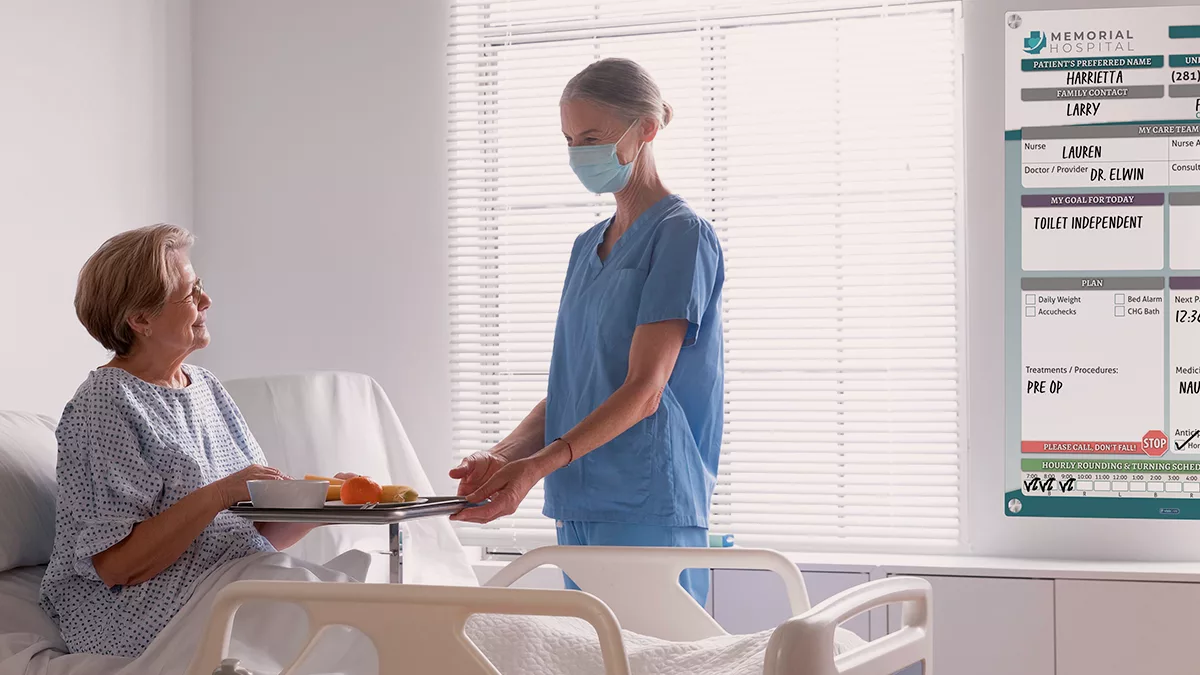
Integrating interactive patient care technologies into the Environment of Care further enhances safety and patient engagement. These systems transform patients from passive recipients into active partners in their own health journey, improving outcomes by fostering higher engagement, better health literacy, and improved communication between patients and providers. Interactive patient care technologies also streamline care by integrating directly with Electronic Health Records (EHR) and remote monitoring, enabling personalized care, improving safety, and optimizing workflow. Key benefits include increased treatment adherence, enhanced patient satisfaction, and reduced readmissions through personalized education and digital tools. Interactive tools deliver tailored information, helping patients understand their conditions, treatment plans, and medications, which empowers them to make informed decisions. These technologies provide faster access to staff and services, leading to higher HCAHPS scores—often increase and improve communication between patients and providers for more efficient care delivery and quicker access to information. Bedside access to real-time clinical data helps eliminate error chains caused by miscommunication or inaccessible records, which can be responsible for larger percentages of medical errors. For an in-depth look at how emerging digital design trends are driving such advances and supporting safer, more intuitive care environments, explore 10 Healthcare UX Design Trends Transforming 2026. Ultimately, a well-orchestrated Environment of Care program supports a performing environment where patients receive care in settings that uphold the highest standards of safety, quality, and comfort.
In this guide, you will learn the core definition of the environment of care and understand the structure of an effective environment of care program. We will explain the meaning and practical execution of Environment of Care (EOC) rounds and show you how to utilize a comprehensive environment of care checklist to ensure regulatory compliance and enhance patient safety.
What is the Environment of Care?
The Environment of Care encompasses all physical spaces within health care facilities where patients receive care, including patient rooms, surgical suites, diagnostic areas, and administrative offices. It also includes utility systems management, waste management, and construction or renovation activities that may impact the safety and functionality of these spaces. Facilities managers play a crucial role in developing and maintaining policies and practices that minimize risks such as workplace violence, infection control breaches, and hazards related to biomedical waste or prescription drugs. The environment of care is a comprehensive framework designed to provide a safe, functional, and supportive physical space for patients, staff, and visitors within healthcare facilities. It encompasses all aspects of the physical environment, including patient care areas, utility systems, safety protocols, and maintenance activities, ensuring that risks are minimized and the facility operates effectively to support high-quality patient care and staff performance.
This framework integrates ongoing risk assessments, preventive maintenance, emergency preparedness, and staff training to create a resilient environment that adapts to evolving healthcare needs. By systematically managing these elements, healthcare organizations can reduce operational disruptions, enhance patient safety, and comply with regulatory requirements such as those outlined in hospital accreditation programs and joint commission survey preparation. The Joint Commission consolidates and applies standards to a variety of healthcare settings, including critical access hospitals, to ensure safety and compliance across different facility types. Ultimately, the environment of care fosters a culture of continuous improvement and vigilance, essential for maintaining a healing environment that prioritizes care and life safety for all occupants.
A critical component of Environment of Care programs is performing regular risk assessments to identify gaps in safety processes and infrastructure. These assessments enable healthcare organizations to proactively address potential threats before harm involves patients or workers. For example, managing utility systems efficiently ensures uninterrupted power and water supply, which are vital for safe treatments and infection control. Additionally, comprehensive education and training for workers on emergency procedures, fire drills, and safe handling of surgical instruments, supported by custom nurse unit communication boards, contribute to a resilient and responsive care environment.
A robust Environment of Care (EOC) program in healthcare facilities is built on several essential components that collectively ensure a safe, secure, and functional environment for patients, staff, and visitors.
Safety Management involves identifying and mitigating physical hazards that could lead to injuries such as slips, trips, and falls. This includes systematic risk assessments, preventive maintenance of equipment, and protocols to reduce operational risks. Regular environmental rounding and thorough documentation support ongoing safety improvements.
Security Management focuses on protecting patients, staff, and assets from harm. This encompasses workplace violence prevention, controlling access to sensitive areas, infant abduction prevention, and maintaining secure environments through surveillance and staff training.
Hazardous Materials Management requires careful handling, storage, and disposal of chemicals, biomedical waste, and prescription drugs. Facilities must maintain accurate inventories, Safety Data Sheets, and comply with local, state, and federal regulations to minimize exposure risks.
Emergency Preparedness includes comprehensive planning for fire safety, utility failures, natural disasters, and other emergencies. This involves regular fire drills, staff education on emergency roles, maintaining functional emergency systems, and clear communication protocols.
Together, these components form an interconnected framework that supports compliance with regulatory standards such as those from the Joint Commission, enhances patient safety, and promotes a resilient healthcare environment, which is especially important in settings that rely on government-compliant healthcare communication whiteboards.
The Environment of Care Committee plays a pivotal role in maintaining a safe and compliant healthcare facility. This multidisciplinary team is responsible for continuously monitoring safety data, identifying workflow inefficiencies, and ensuring that new safety protocols are seamlessly integrated into daily operations. By bringing together experts from clinical, facilities, security, and administrative departments, the committee fosters collaboration and communication across teams. They review environmental rounding findings, track corrective actions, and analyze trends to proactively address potential risks. Their oversight ensures that safety measures are not only implemented but also sustained, supporting staff efficiency and enhancing patient outcomes. Ultimately, the committee acts as the central hub for coordinating safety initiatives, aligning operational practices with regulatory requirements, and promoting a culture of continuous improvement within the environment of care.
The Environment of Care Committee actively collaborates with clinical staff to enhance both staff efficiency and patient satisfaction scores. By regularly reviewing safety data and environmental rounding findings, the committee identifies areas where communication gaps or workflow inefficiencies exist. They then work closely with clinical teams to develop and implement targeted safety protocols and process improvements that streamline daily operations. This collaboration fosters a culture of open communication, ensuring that frontline staff have the knowledge and resources needed to provide safe, effective care. Additionally, by addressing environmental and operational challenges proactively, the committee helps reduce disruptions and delays, allowing clinical staff to focus more on patient-centered care. These improvements contribute directly to higher patient satisfaction scores, as patients experience safer environments and more responsive care from engaged and efficient healthcare teams.
Decoding EOC Rounds and Their Impact
Understanding the true EOC rounds meaning is the first step toward building a safer, more reliable healthcare facility. Environmental rounds, commonly known as environment of care (EOC) rounds, are routine, proactive inspections designed to evaluate the physical state of a clinical setting. Facility managers, safety officers, and clinical leaders conduct these thorough walkthroughs to identify and mitigate physical risks before they can negatively impact patient care. Rather than waiting for an adverse event to occur, EOC rounds allow healthcare teams to find and resolve hazards—such as blocked fire exits, improperly stored hazardous materials, or malfunctioning medical equipment—on the spot.
The practical execution of environment of care rounding goes far beyond simply checking boxes on a compliance form. These scheduled inspections serve as a dynamic tool for operational excellence and continuous improvement. When safety committees walk through different hospital units, they observe exactly how the physical environment interacts with daily clinical workflows. This real-time observation directly empowers staff efficiency by uncovering hidden communication gaps and operational bottlenecks.
For instance, if nurses consistently struggle to access emergency crash carts due to poor hallway layouts, an EOC round highlights this friction point immediately. Facility leaders can then collaborate with the clinical team to reorganize the space. Eliminating this bottleneck allows clinical staff to perform their duties without unnecessary delays. By addressing these environmental issues directly on the floor, EOC rounds foster a collaborative culture. Frontline workers receive the support they need, and leadership gains a clear, accurate picture of what the team requires to work safely.
Navigating Joint Commission Standards
Regulatory compliance forms the backbone of a secure, effective healthcare facility. When we break down the Joint Commission environment of care standards, we see more than a list of strict rules. These guidelines establish the absolute baseline for facility safety and quality. They provide healthcare leaders with a clear roadmap to create spaces where patients heal and staff can perform their duties safely.
Understanding the specific expectations of the Joint Commission environment of care requires a shift in perspective. Adherence is not just about passing annual surveys or avoiding penalties. Instead, these standards empower hospitals to deliver reliable, scalable safety measures across every department. When facility managers embrace these expectations, they build a culture of continuous improvement that prioritizes human well-being above all else.
The Critical Role of Life Safety
A key component of this regulatory framework involves structural integrity and hazard prevention. The Joint Commission life safety checklist plays a vital role in preventing fire and structural hazards before they threaten a facility. This tool guides safety officers through rigorous inspections of fire doors, sprinkler systems, and emergency exit routes. By following this detailed checklist, hospitals ensure their buildings remain secure under the most critical circumstances.
Comprehensive Environmental Care
Managing a complex medical facility requires meticulous attention to detail. Utilizing a Joint Commission checklist for environmental care guarantees that your team overlooks nothing during routine rounds. This comprehensive approach covers everything from hazardous waste disposal to proper equipment storage.
When your staff relies on a standardized Joint Commission checklist for environmental care, they catch minor issues before they escalate into costly problems. This proactive strategy does more than maintain compliance. It actively protects the hospital’s reputation and bottom line by preventing costly operational disruptions and fostering trust within the community you serve.
Building an Actionable Environment of Care Checklist
To protect patients and staff, a generic inspection form falls short. You need a customizable environment of care checklist that adapts to the unique physical demands of your facility. When you design a smart, actionable tool, you streamline compliance tasks and build a reliable, safe clinical space.
Customizing Checklists for Specific Unit Needs
Every clinical department faces distinct physical risks and operational challenges. For example, an intensive care unit (ICU) handles complex life-support equipment, strict infection control protocols, and compressed workspaces. Conversely, an outpatient clinic focuses heavily on patient flow, waiting area safety, and general trip hazards.
To create an effective system, start with a core set of safety standards that apply facility-wide, such as fire extinguisher checks and exit sign visibility. Then, build modular checklist sections tailored to specific units. This modular approach ensures your staff only spends time evaluating what actually matters in their designated area. Tailoring the checklist directly respects their time, reduces survey fatigue, and significantly improves the accuracy of the safety data they collect.
Standardizing Inspections Across Departments
While customization provides necessary relevance, you still need a unified baseline. Implementing a comprehensive environment of care rounds checklist standardizes the overall inspection process across all departments. When you use a consistent framework, you create intuitive, user-friendly data collection methods for your team that can be reinforced with durable communication boards with standoffs.
Standardized formats allow facility managers to easily compare safety metrics between different wings of the hospital. By utilizing straightforward, accessible digital forms, you eliminate operational guesswork. Nurses and safety officers can log hazards with just a few simple taps. This overarching uniformity reduces administrative burden and ensures no critical safety metric slips through the cracks.
The Critical Role of Environment of Care Training
Even the most thoughtfully designed checklist will fail if your staff does not understand how to use it. Environment of care training serves as the essential bridge between regulatory safety policies and daily clinical practice.
Provide clear, concise user manuals that explain exactly how to complete the rounds efficiently. Furthermore, host regular training sessions to familiarize your safety committee and clinical leaders with any new tools or software updates. When you actively train and support your staff, you demonstrate that their daily feedback matters. This proactive communication minimizes resistance to new administrative workflows and drives high staff adoption rates. A well-educated team feels confident identifying risks, turning a routine compliance task into a genuine commitment to quality care that is clearly communicated at the bedside through custom medical patient white boards.
The Financial Impact: Long-Term ROI of Proactive EOC Management
Implementing tailored checklists and comprehensive training does more than ensure compliance—it actively protects your facility’s bottom line.
- Reduced Compliance Fines: Catching a single structural or fire code violation internally saves thousands of dollars in potential regulatory penalties during unannounced surveys.
- Lower Liability Costs: Proactively identifying and fixing trip hazards or equipment malfunctions reduces the frequency of patient and staff injury claims.
- Optimized Staff Time: Intuitive, user-friendly data collection tools cut rounding time by up to 30%, returning valuable labor hours back to core operations and patient care.
- Extended Equipment Lifespan: Consistent environment of care checks identify minor maintenance needs before they escalate into complete, costly asset replacements.
Mastering the Environment of Care
Essential for healthcare facilities is striving to provide safe, efficient, and patient-centered care. By implementing comprehensive safety management, adhering to regulatory standards, conducting thorough environment of care rounds, and utilizing customized checklists, healthcare organizations can proactively mitigate risks and enhance overall operational performance. Integrating interactive patient care technologies further empowers both staff and patients, leading to improved communication, higher satisfaction scores, and better clinical outcomes. Prioritizing a well-structured Environment of Care program not only ensures compliance with accreditation requirements but also fosters a culture of continuous improvement and safety excellence. Take the next step toward creating a safer, more effective healthcare environment—embrace proactive Environment of Care strategies today.
At VisiCare, we understand that a safe and efficient Environment of Care is foundational to delivering exceptional patient outcomes. Our customized patient communication systems are designed to enhance staff efficiency, improve patient engagement, and support regulatory compliance seamlessly. Whether you need durable whiteboards, glass communication boards, digital communication tools, or tailored safety boards, VisiCare is your trusted partner in creating healthcare environments where safety and communication thrive. Ready to elevate your facility’s Environment of Care? Contact us or request a quote for customized patient boards today to explore how our solutions can transform your patient care experience and operational workflows.
Comment (1)
Comments are closed.
Patient Experience in Healthcare: Tips & Trends | VisiCare
May 14, 2026[…] communication across all interactions, from scheduling appointments to discharge, supported by interactive patient care tools that reinforce safety and engagement, is critical for a great healthcare customer […]