
Enhancing Understanding, Collaboration, and Outcomes: The Power of Patient Engagement Tools in Healthcare
Effective communication is the cornerstone of quality health care, yet studies show that up to 80% of serious medical errors are linked to miscommunication among healthcare providers and patients. This highlights the critical need for clear, concise, and accessible communication methods within medical settings. Visual communication, in particular, has emerged as a powerful tool to bridge understanding gaps, enhance collaboration among care teams, and improve patient outcomes. By leveraging visual aids such as patient communication boards, healthcare providers can simplify complex information, reduce errors, and foster a more patient-centered care environment.
Effective communication throughout hospitalization is the most influential factor in shaping patient perceptions of care.
Visual communication acts like a trusted guide in today’s patient-centered healthcare world. Using images, diagrams, videos, and other visual aids helps bridge communication gaps, ensuring patients grasp their health conditions and treatment plans. This approach boosts understanding and supports better treatment adherence, leading to improved outcomes and patient satisfaction. Healthcare research consistently supports visual communication as a game-changer for patient education, empowering patients to make informed decisions about their care. When healthcare professionals integrate visual communication into daily practice, they create a supportive and effective patient experience that reduces medical errors and contributes to better overall health outcomes.
Why Is Communication Important in Nursing?
The Role of Nurses in Communication
Nurses serve as the primary point of contact for patients and their families, making their communication skills vital to the healthcare experience. Nurses assist patients by helping them navigate care, providing support, and ensuring their needs are met throughout their stay. Effective communication by nurses ensures patient safety, satisfaction, and adherence to treatment plans. Acting as the bridge between physicians, patients, and other healthcare professionals, nurses facilitate the flow of critical information that impacts diagnosis, treatment, and recovery. Through clear and compassionate communication, nurses can detect subtle changes in patient conditions early, enabling timely interventions and preventing complications. Building trust through open dialogue helps patients feel more comfortable sharing sensitive information, which ultimately allows nursing communication to influence patient outcomes.
Engaged patients are statistically more likely to follow medical advice and effectively manage chronic conditions.
Challenges in Nursing Communication
Nursing communication faces several challenges, including high patient loads, time constraints, and gaps in health literacy. Miscommunication risks increase during handoffs or patient education, especially in diverse patient populations with varying language proficiencies and cultural backgrounds. These challenges can lead to care gaps, where disparities arise between recommended healthcare practices and the actual care provided. Screening for care gaps helps identify the missed needs of patients to ensure they receive personalized healthcare. Environmental factors such as noisy, busy wards and lack of private spaces can hinder meaningful interactions. Additionally, emotional stress experienced by both patients and nurses may affect clarity and empathy during exchanges.
How Visual Communication Helps
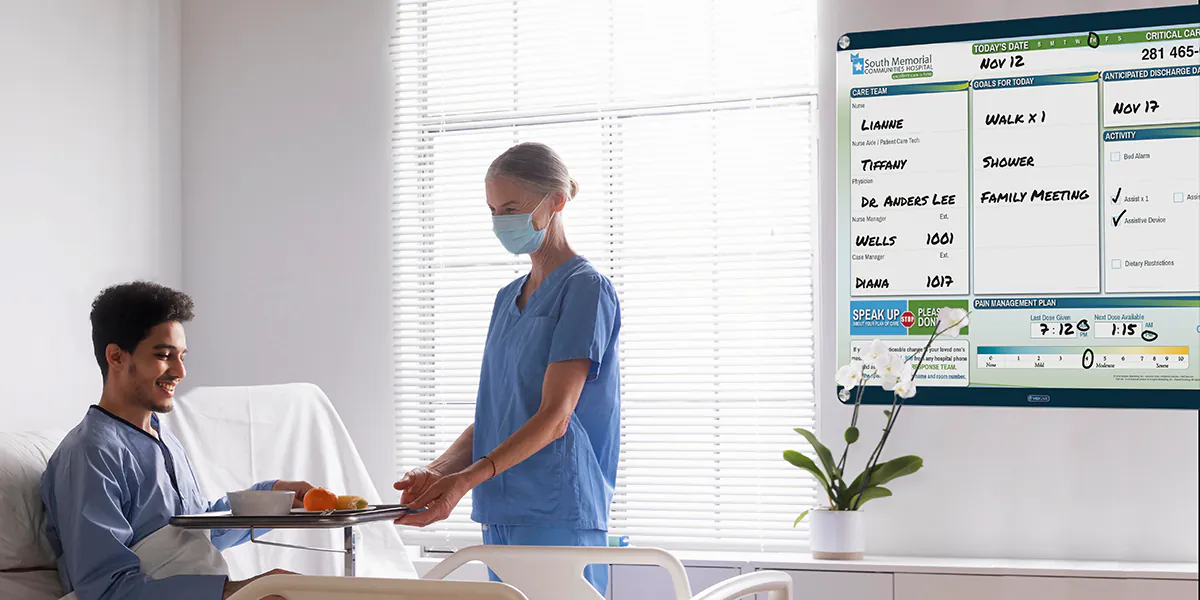
Visual aids like patient communication boards simplify complex information and ensure consistency across shifts, reducing the cognitive load on nurses. By integrating visual communication with existing tools, healthcare facilities can enhance patient engagement and experience measurement without needing to replace their current systems. These tools provide a shared reference point for patients and care teams, minimizing misunderstandings and reinforcing verbal instructions. Patient communication boards are designed to increase HCAHPS scores and improve patient to care-team communication. Visual communication supports patients with limited health literacy or language barriers by conveying information in accessible, easy-to-understand formats. Incorporating visual tools into nursing workflows can streamline communication, allowing nurses to focus more on direct patient care rather than repetitive explanations.

Patient Education: The Power of Teach-Back and Visual Aids
The Importance of Patient Education
Patients often feel overwhelmed by medical jargon and complex instructions. Engaging patients’ interest through clear patient education improves adherence to care plans, reduces readmissions, and empowers patients to participate actively in their care decisions, leading to better health outcomes. Educating patients also helps set realistic expectations about treatment and recovery, reducing anxiety and enhancing satisfaction. Patients who feel included in decisions about their care report significantly higher satisfaction levels.
What Is the Teach-Back Method?
The teach-back method is a communication technique where patients repeat instructions in their own words to confirm understanding, effectively involving patients in their care. Visual aids enhance this process by providing patients with a concrete reference point. Teach-back encourages active patient engagement, allowing healthcare providers to promptly identify and correct misunderstandings. Combining teach-back with visual tools strengthens retention of critical information, especially for complex medication regimens or post-discharge care instructions.
Patient engagement strategies can reduce hospital readmissions by up to 30% for chronic disease patients.
Examples of Visual Communication in Patient Education
Patient communication boards that display daily care plans, medication schedules, and discharge instructions serve as effective visual aids. Visual communication is especially important for children and their families, as visual aids help pediatric patients better understand their care and improve overall patient satisfaction. Infographics and diagrams can explain procedures or conditions clearly. Pictograms and color-coded charts illustrate medication timing or dietary restrictions, while digital displays or tablets offer interactive educational content tailored to individual patient needs. Tools like CardMedic offer healthcare information in over 200 languages to bridge communication gaps.
Increasing Your Patient Survey Performance
The Link Between Communication and HCAHPS Scores
Communication is a key driver of patient satisfaction and survey performance. Poor communication often leads to lower scores in areas such as nurse communication and discharge information. Hospitals prioritizing clear, consistent communication tend to achieve higher HCAHPS scores, which impact reimbursement and reputation. Interactions at the front desk play a crucial role in shaping patients’ initial perceptions and can significantly influence their responses on satisfaction surveys. Improving patient care services is a commitment for hospitals as patients gain more control over their healthcare purchasing power. Patients’ perception of being heard and informed directly correlates with their willingness to recommend the facility.
How Visual Communication Boosts Scores
Patient communication boards provide transparency and clarity, reducing patient anxiety and empowering patients to feel informed and involved in their care. Visual tools facilitate real-time updates, helping patients track their progress and upcoming treatments. Consistent communication through visual aids supports smoother patient transfers and continuity of care, further enhancing the patient experience.
In addition to visual tools, nonverbal communication such as eye contact plays a crucial role in patient-provider interactions, helping to build trust, demonstrate empathy, and increase patient satisfaction. Boards provides translation services to serve any language and can be customized to support specific needs, ensuring effective communication for all patients.
Improving the Patient Experience
What Patients Want
Patients value clarity, empathy, and active involvement in their care. Using a patient’s preferred name and pronouns is a key aspect of respectful communication, demonstrating cultural competence and building trust, especially for trans and gender nonbinary patients. Miscommunication can lead to frustration, confusion, and distrust. Patients want to feel respected and understood throughout their healthcare journey, appreciating when care teams take the time to explain procedures and answer questions thoroughly. Cultural awareness and sensitivity in communication can improve patient experience and satisfaction, especially among diverse populations.
How Visual Communication Enhances the Experience
Visual communication creates a more patient-centered environment by addressing health literacy gaps and reducing repetitive questions and confusion, leading to a smoother care journey. By making information accessible and easy to understand, visual aids can significantly enhance a patient’s quality of life, supporting their psychological and emotional well-being throughout their hospital stay. Visual aids help family members stay informed and participate actively in care decisions. They also contribute to a calming environment by setting clear expectations and reducing uncertainty. Patients with limited English proficiency often report lower satisfaction with provider communication, even when interpreter services are available, making visual communication tools especially valuable for bridging language barriers and improving overall patient experience.
The Emotional Impact of Visual Aids
Tools like communication boards show patients that their concerns are heard and addressed, fostering trust and building stronger patient-provider relationships. Effective physician communication, including both verbal and non-verbal techniques, further enhances trust and emotional well-being by ensuring patients feel understood and supported. Patients often report feeling more in control and less anxious when information is presented visually, which can lead to improved adherence to treatment plans and better overall outcomes. Additionally, patients who received structured post-discharge phone calls reported greater confidence in managing their care and were more likely to rate their overall hospital experience positively.
The Role of Technology in Visual Communication
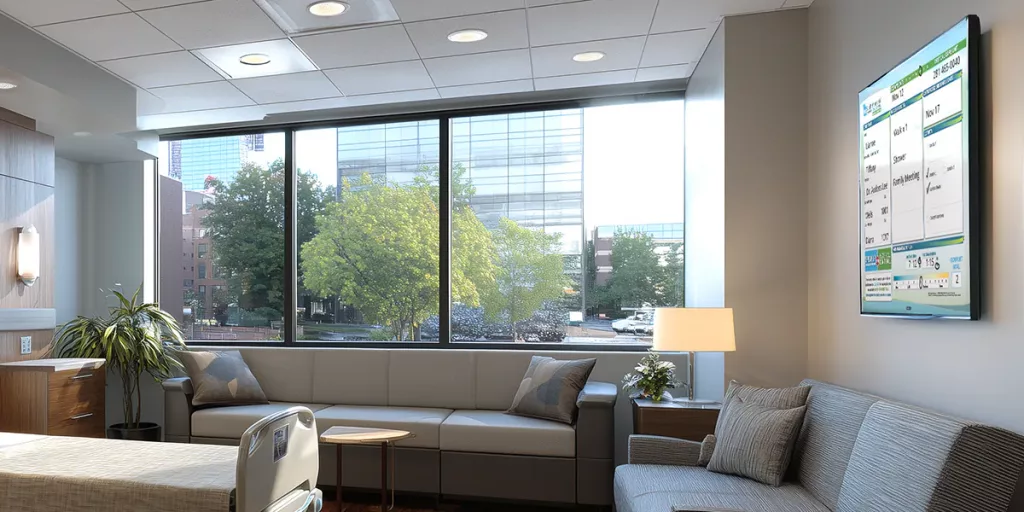
Here’s something exciting happening in healthcare right now—technology is completely reshaping how we connect with our patients, and honestly, it’s pretty amazing to watch. Think about it: we now have these incredible digital tools like electronic patient communication boards, mobile apps, and interactive displays that make sharing personalized information feel almost effortless. What’s really wonderful is how these solutions help our patients truly grasp their treatment plans, stay on top of their medication schedules, and understand their test results—and when patients get it, we see better health outcomes and happier patients all around. But here’s where it gets even better: technology is breaking down those frustrating language barriers that used to make communication so challenging. Picture this—your digital communication board can instantly display information in whatever language your patient feels most comfortable with, creating that crystal-clear understanding we’re all striving for. When we embrace these innovations with open arms, we’re not just improving patient-centered care—we’re opening doors to better information access and building a healthcare environment where everyone truly feels included.
Cultural and Language Considerations in Visual Communication
In today’s wonderfully diverse healthcare landscape, we know that cultural and language considerations aren’t just nice-to-haves—they’re absolutely essential for creating visual communication that truly connects. As your trusted partners in healthcare communication, we understand that each patient brings their own unique story and needs to the table, which means we need to be thoughtful guides who adapt our visual strategies so everyone feels seen and understood. This might mean crafting culturally sensitive visual aids that speak to different communities or offering information in multiple languages—because everyone deserves to access their care in a way that feels right for them. Here’s where it gets really important: we also need to tackle health literacy head-on with crystal-clear instructions and beautifully simple visuals that help patients confidently follow their treatment plans, reducing those scary complications and boosting adherence rates. When we prioritize this kind of genuine inclusivity and deep understanding—like a knowledgeable friend who also happens to be a healthcare communication expert—we’re not just improving patient outcomes and satisfaction; we’re ensuring that every single patient gets the support they truly need throughout their entire healthcare journey.
Measuring Success in Visual Communication Initiatives
Here’s the thing about making your visual communication strategies truly work—you’ve got to keep your finger on the pulse of what’s actually happening with your patients. Think of it like being a trusted guide who’s always checking the compass to make sure you’re heading in the right direction. You’ll want to regularly dive into those patient satisfaction surveys and HCAHPS scores (yes, we know they can feel overwhelming, but they’re goldmines of insight!), along with tracking real health outcomes that show you whether your patients are truly getting it and sticking with their treatment plans. When you take the time to assess how well your patients understand what you’re telling them, you’ll spot those moments where your communication might need a gentle tune-up. And here’s where it gets really exciting—by keeping an eye on adherence rates, you can pinpoint exactly where patient education could use some love. This ongoing attention to these meaningful indicators isn’t just data collection; it’s your roadmap to refining those visual communication approaches so they truly connect with each individual patient, ultimately creating that beautiful outcome we’re all after: better patient health, happier patients, and the kind of quality care that makes your heart sing.
Best Practices for Implementing Visual Communication
We know that implementing visual communication successfully comes down to putting patients at the heart of everything we do—and we love working collaboratively to make that happen. As healthcare providers, we’ve found that using clear, simple language while steering clear of technical jargon makes information truly accessible to every patient we serve. When we design visual aids, we make sure they’re easy to understand, and here’s the key—we always get input from patients and their families, because their preferences and needs should absolutely shape our communication strategies. We’re big believers in creating an environment where questions flow freely and open dialogue thrives, because that’s how we truly support patient understanding and keep them engaged. By embracing these best practices, we can reduce medical errors, enhance health outcomes, and watch patient satisfaction soar. We’ve seen firsthand how a thoughtful approach to visual communication doesn’t just benefit our patients—it strengthens the overall quality of care we deliver as a healthcare team.
Harnessing Visual Communication to Transform Healthcare Delivery
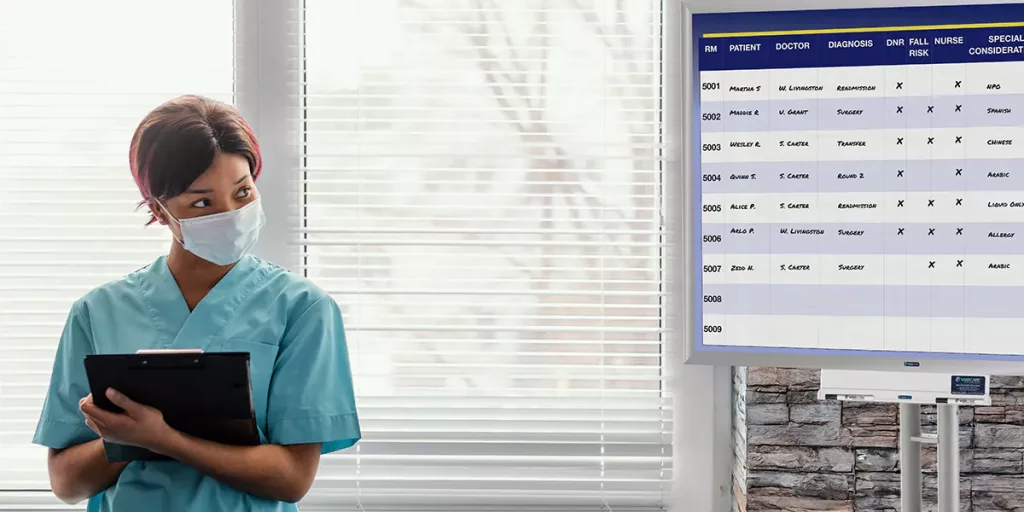
Visual communication is a powerful means of improving patient understanding, strengthening care team collaboration, and enhancing health outcomes. Healthcare professionals are encouraged to explore and implement visual communication tools like patient communication boards to foster a more patient-centered care experience and improve overall patient satisfaction and safety.