
How to Use Patient Communication Boards to Reduce Nurse Burnout
Nursing has never been an easy profession. It requires a unique blend of clinical expertise, emotional intelligence, and physical endurance. However, the demands placed on nurses have intensified significantly in recent years. Staffing shortages, high patient acuity, and the administrative burden of documentation are pushing many healthcare professionals to their breaking point. Factors contributing to nurse burnout include long hours, understaffing, lack of control, heavy workloads, insufficient support, and high-stakes decision-making.
While systemic changes like staffing ratios take time to implement, there are immediate, practical tools available to alleviate the daily pressure on nursing staff. One of the most effective—and often overlooked—solutions is the patient communication board.
These visual tools are not just for patient satisfaction. They are a critical defense against nurse burnout. By streamlining communication, minimizing repetitive questions, and fostering transparency, patient communication boards empower nurses to focus on what they do best: caring for patients. Nurse burnout can negatively affect care delivery, leading to decreased patient safety, lower quality outcomes, and diminished patient experience.
Introduction to Patient Communication
Think of effective patient communication as the heartbeat of everything we do in healthcare—it’s what keeps the whole system alive and thriving. When we prioritize clear, compassionate conversations with our patients, we’re not just checking a box; we’re building the foundation for outcomes that truly matter. Better patient satisfaction? Check. Higher treatment adherence? Absolutely. But here’s the real magic: every single interaction becomes a golden opportunity to connect with individual needs, answer those burning questions, and create that trust bridge between patients, families, and all of us healthcare professionals.
Let’s be honest—today’s healthcare landscape can feel like navigating a maze blindfolded, but here’s the exciting part: we’ve got more patient engagement tools and technologies at our fingertips than ever before. Whether we’re connecting through digital platforms or having those invaluable face-to-face conversations, we healthcare organizations need to grab every resource available to boost patient engagement. Our goal? Making sure every patient feels genuinely heard, respected, and actively involved in their care journey. When we focus on communication that truly connects, we’re not just improving patient experiences—we’re fostering those long-term relationships that lead to better health outcomes for everyone we serve.
Understanding Nurse Burnout
Burnout is more than just having a bad day or feeling tired after a long shift. It is a state of chronic physical and emotional exhaustion. It often includes feelings of cynicism and detachment from the job, as well as a sense of ineffectiveness.
The causes are multifaceted. Nurses often grapple with:
- High Workloads: managing multiple patients with complex needs.
- Lack of Control: feeling unable to influence decisions that affect their work.
- High-Stakes Decision Making: participating in shared decision-making processes, especially during discharge planning and when tailoring care to diverse populations.
- Emotional Intensity: dealing with suffering and loss on a daily basis.
The impact of this phenomenon is severe. For healthcare facilities, burnout leads to high turnover rates, increased absenteeism, and skyrocketing recruitment costs. More critically, it affects patient safety. Exhausted nurses are more prone to errors, and their ability to engage compassionately with patients diminishes. Addressing burnout isn’t just an HR issue; it’s a patient safety imperative. Minimizing administrative burdens and improving staffing levels are vital for reducing nurse burnout.
The top three symptoms of nurse burnout include:
- Emotional Exhaustion: Feeling drained, overwhelmed, and unable to cope emotionally with the demands of the job.
- Cynicism and Detachment: Developing a negative or indifferent attitude toward patients, colleagues, or work responsibilities.
- Reduced Personal Accomplishment: Experiencing a sense of ineffectiveness, low motivation, and decreased satisfaction with professional achievements.
Recognizing these symptoms early is critical for healthcare providers to address nurse burnout effectively and protect both staff well-being and patient outcomes.
The Role of Communication in Nurse Burnout
We often think of communication as a “soft skill,” but in a hospital setting, it is a massive cognitive load. Nurses act as the central information hub for patients, families, doctors, and specialists. Effective provider communication is essential in reducing nurse burnout, as clear and empathetic exchanges help streamline workflows and minimize misunderstandings.
Consider the mental energy required to answer the same set of questions ten times a shift:
- “Who is my doctor?”
- “What is the plan for today?”
- “When can I eat?”
- “When am I going home?”
When communication channels are fragmented or unclear, nurses spend a disproportionate amount of time acting as information repeaters. This constant barrage of questions interrupts clinical tasks, breaks concentration, and adds to the feeling of being overwhelmed. This “interruption fatigue” is a significant, yet preventable, contributor to burnout. Nurses who listen and understand patient concerns are better prepared to address issues, leading to improved patient outcomes.
Overcoming Communication Challenges
We know that communicating in healthcare settings can feel overwhelming—whether you’re in your primary care clinic, navigating a busy hospital, or sitting in those crowded waiting rooms. You might feel anxious or just completely overwhelmed, and that’s totally understandable! When you’re in that headspace, it can be really tough to absorb all the information coming your way or even find the words to express what’s worrying you. That’s where your healthcare team comes in as your trusted guides, using active listening, genuine empathy, and crystal-clear communication to help you feel heard and build that essential trust you deserve.
Here’s the thing—we get that communication barriers like language differences, cultural backgrounds, and varying comfort levels with medical information can feel like huge obstacles. But your healthcare team can absolutely help you work through these challenges with a thoughtful, personalized approach. Think of us as that knowledgeable friend who happens to know the medical world inside and out—we’re here to break things down using everyday language, steering clear of confusing medical jargon, and tailoring our care to fit your unique situation perfectly. When we make sure your treatment plans, medication instructions, and self-care guidance are communicated in a way that truly clicks for you, you’ll feel so much more confident and engaged in your care. That’s how we create better health outcomes together and build the kind of strong, trusting relationship that makes all the difference in your healthcare journey.
How Patient Communication Boards as Patient Engagement Tools Help Reduce Burnout
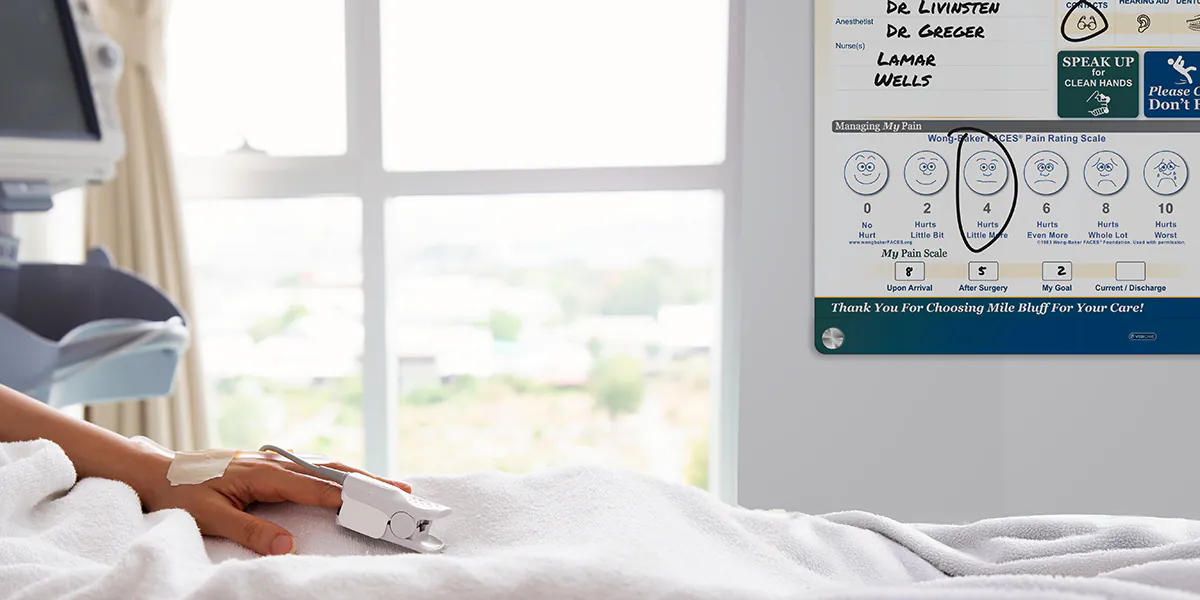
Patient communication boards—whiteboards or glass boards installed in patient rooms—serve as a centralized “source of truth.” These boards can complement existing tools used by nurses, providing an additional layer of support for daily workflows. When used effectively, they offload the burden of information transmission from the nurse’s memory to a visible, shared surface.
By making key information accessible to both staff and patients, communication boards improve transparency and reduce repetitive questions. The benefits of using these boards include enhanced patient engagement, reduced nurse burnout, and improved overall communication for both nurses and patients.
Streamlining Communication
A well-updated board provides an immediate snapshot of the patient’s status. Patient communication boards streamline various aspects of communication, including care plans, medication schedules, and patient preferences, ensuring that all team members are informed at a glance. When a specialist walks into the room, they don’t need to hunt down the primary nurse to know the pain management plan or the diet restrictions—it’s written on the wall. This reduces the number of calls, pages, and hallway interceptions a nurse has to field.
Minimizing Repetitive Questions
Patients and their families are naturally anxious and hungry for information. Without a visual reference, they rely entirely on the nurse for updates. By displaying the care team’s names, daily goals, and discharge plans prominently, the board answers the “FAQs” of the hospital room before they are even asked. This dramatically reduces call bell frequency for non-urgent inquiries, giving nurses breathing room.
Minimizing repetitive questions not only eases nurse workload but also plays a key role in improving patient satisfaction by enhancing communication and the overall patient experience.
Fostering Transparency
Anxiety often manifests as demanding behavior. When patients feel out of the loop, they may become difficult or needy, which increases the emotional toll on the nursing staff. A communication board fosters transparency. It shows the patient that there is a plan and that the team is aligned. Nonverbal communication, such as body language and tone of voice, also plays a significant role in creating rapport and fostering transparency with patients. A calm, informed patient is easier to care for, reducing the emotional labor required of the nurse.
Enhancing Nurse Job Satisfaction
The ultimate goal of any workflow improvement should be to let nurses be nurses. When we remove the friction of poor communication, job satisfaction improves naturally. Enhanced nurse job satisfaction leads to better outcomes for patients.
Continuous professional development and strategic advocacy can help nurses feel more engaged and reduce feelings of stagnation.
Focusing on Clinical Tasks
When a nurse isn’t interrupted every five minutes to repeat a doctor’s name, they can focus deeply on clinical assessments, medication administration, and critical thinking. Enhanced collaboration with physicians is also possible when nurses are able to dedicate more attention to clinical tasks, leading to better information sharing and holistic patient care. This shift from “task manager” to “clinical expert” restores a sense of professional purpose.
Improving Workflows
Communication boards are powerful tools during shift handoffs. Bedside reporting becomes more structured when the outgoing and incoming nurses review the board together with the patient. This ensures accuracy and reduces the likelihood that the incoming nurse starts their shift confused or missing critical information. Additionally, communication boards help facilitate smoother patient transfers during shift changes by clearly displaying essential information, which reduces errors and improves safety for both patients and healthcare providers.
Reducing Stress
There is a palpable sense of relief in a shift that flows smoothly. Reducing the cognitive load allows nurses to leave work feeling that they were effective and organized, rather than chaotic and drained. Creating a comfortable environment in the hospital setting further reduces stress for nurses, supporting their well-being and job satisfaction. Over time, this reduction in daily stress protects against the accumulation of burnout.
Best Practices for Implementing Patient Communication Boards
Hanging a board on the wall is not enough. Effective implementation of communication boards can significantly improve the quality of healthcare services by enhancing care coordination and patient satisfaction. To truly reduce burnout, the board must be integrated into the unit’s culture and workflow.
This integration is most successful when the healthcare organization actively supports adoption, provides training, and encourages staff engagement.
Designing for Clarity
The design of the board matters. It should be intuitive and easy to read from the patient’s bed.
- Use predefined fields: Include sections for “Care Team,” “Today’s Goals,” “Pain Management,” and “Discharge Date.”
- Keep it clean: A cluttered board is ignored. Use high-quality, non-porous surfaces (like glass) that don’t ghost or stain, ensuring the information always looks fresh and professional.
- Enhance the environment: Incorporating comfortable seating in the patient room supports a welcoming atmosphere, helping to reduce anxiety and improve overall satisfaction with care.
Training and Culture
Nurses need to see the board as a tool for them, not just another administrative task.
- Teach the “Why”: During training, emphasize that updating the board will save them time in the long run by reducing call lights. Many organizations rely on traditional methods like surveys, but are now adopting new strategies for training and implementation to better address nurse burnout and improve patient communication.
- Scripting: Provide nurses with simple scripts for using the board. For example: “I’m writing my name and your goal for the day here so you and your family can always see the plan.”
Integration into Workflow
Make the board part of the routine.
- Update during rounds: Update the board while the patient watches. This engages the patient and ensures the info is current.
- Audit and Support: Nurse managers should check boards not to penalize staff, but to identify barriers. If boards aren’t being used, find out why. Is the marker dry? Is the layout confusing?
Customization and Personalization
Here’s what we know for certain: every patient walks through your doors with their own story, their own needs, and their own way of understanding the world. That’s why truly effective communication isn’t one-size-fits-all—it’s as unique as the people you’re caring for. When you embrace customization and personalization, you’re not just checking a box for patient-centered care; you’re creating genuine connections that make a real difference. Think of it this way: by using real-time feedback tools, providing education materials in the languages your patients actually speak, and adapting how you communicate to meet each person where they are, you’re building something special—a healthcare environment that truly welcomes everyone.
And here’s the beautiful part about personalized care: when patients feel genuinely valued and understood, everything changes. They relax, they open up, they become active partners in their own health journey. It’s like having a conversation with a trusted friend who happens to know exactly what you need to hear. When you tailor information to match how each patient prefers to receive and process it, you’ll see them lean in, ask questions, and take ownership of their treatment in ways that lead to better health outcomes, higher satisfaction, and the kind of lasting relationships that keep patients coming back. Technology is your trusted partner here—patient portals, mobile apps, and telehealth platforms aren’t just fancy tools, they’re bridges that connect you to your patients in meaningful ways, enhancing access and elevating the entire care experience.
Technology and Patient Experience
Technology has become like a trusted guide in transforming how healthcare providers connect with you as a patient—and we’re excited about the incredible opportunities this creates for better satisfaction, improved health outcomes, and an overall experience that actually feels supportive. Think of digital platforms, social media, and mobile devices as your personal healthcare companions, ready to help you access the information, support, and resources you need, whenever you need them. Tools like electronic health records (EHRs), patient portals, and telehealth services—they’re like having a dedicated care team coordinator—make it so much easier for you, your family, and your providers to stay genuinely connected, coordinate your care seamlessly, and share those important updates that matter most.
When healthcare organizations embrace technology as their strategic partner, amazing things happen—we see reduced wait times (because nobody enjoys sitting in waiting rooms), improved access to care that fits your life, and communication that flows smoothly across your entire care team like a well-orchestrated symphony. What’s really empowering is how these digital tools help providers truly understand your satisfaction, monitor those crucial performance indicators like HCAHPS scores, and pinpoint exactly where improvements can make your experience even better. This smart, data-driven approach—think of it as having a healthcare detective on your side—supports ongoing quality improvement initiatives that ensure your engagement and care quality keep advancing in today’s dynamic healthcare world, because you deserve nothing less than exceptional care.
Measuring Success
We understand that creating effective patient communication strategies can feel like navigating uncharted territory, which is why measuring their impact becomes your trusted compass along the way. Think of tools like patient satisfaction surveys, HCAHPS scores, and patient engagement metrics as your reliable guides—they help you discover how well your communication efforts are truly resonating with patients and shine a light on those areas where you can make meaningful improvements. These insights become your roadmap, revealing communication barriers and care gaps while opening doors to enhanced patient outcomes, satisfaction, and genuine engagement.
We know that continuous assessment and evaluation are the heartbeat of refining your communication approaches and keeping patient-centered care at the forefront of everything you do. When you analyze data and act on real-time feedback—like having ongoing conversations with your patients—you’re empowered to make those informed decisions that naturally lead to better health outcomes, improved satisfaction, and higher quality care. At the end of the day, measuring success ensures that communication remains the driving force behind not just better health, but truly positive patient experiences that make a difference.
Tangible Stories
The waiting room environment, including noise levels and cleanliness, plays a critical role in shaping patient perceptions and satisfaction from the very first point of contact. Look for results that are tangible:
- Call bell volume decreased: Patients stopped ringing to ask when the doctor was coming because the “Next Rounding Time” was written on the board.
- Nurse satisfaction scores rose: Staff reported feeling more organized and appreciated that patients were less anxious.
- HCAHPS improvement: Scores for “Nurses explained things in a way I could understand” saw a double-digit increase.
- Effective discharge communication: The hospital emphasized clear discharge instructions, which was associated with better outcomes, including lower readmission rates and higher satisfaction scores.
- Follow-up after patient leaves: The facility began following up with patients post-visit, strengthening trust and fostering long-term loyalty.
- Digital tools and automation: By integrating digital tools in today’s digital world, the hospital achieved lower costs and improved patient engagement through automation.
- Screening for care gaps: The hospital also implemented screening for care gaps, helping to identify patient needs and improve engagement.
- Attracting prospective patients: These improvements in patient experience enhanced the hospital’s reputation, attracting more prospective patients.
The boards didn’t change the patient acuity or the staffing ratios, but they changed the environment in which the nurses worked, making it more manageable and less stressful.

Empowering Nurses, Enhancing Care: Simple Tools That Make a World of Difference
We cannot fix every challenge in the healthcare system overnight. However, we can equip our nurses with tools that make their difficult jobs a little easier. Patient communication boards are a low-tech, high-impact solution to a complex problem.
By making information visible, we reduce the cognitive burden on our staff. We silence the unnecessary questions so nurses can hear the important ones. We create an environment of clarity and safety.
For healthcare leaders looking to support their teams, investing in high-quality communication strategies is not optional. It is a vital step in caring for the caregivers. Supporting nurses in this way not only helps prevent burnout but also leads to measurable improvements in the overall quality of health care. Let’s clear the way for nurses to do what they love—without the burnout.