


Learn how patient engagement tools, including bedside communication boards and other patient-centered care tools, are revolutionizing hospitals by improving nurse-patient communication, enhancing patient satisfaction, and delivering a strong ROI.

The landscape of behavioral health is governed by a complex web of regulations that can vary significantly from one state to another. This guide serves as a reference point for nurses and administrators. We will break down common themes in behavioral health regulation, highlight specific examples from key states, and provide actionable insights.

Struggling with skyrocketing patient demand and crushing regulations? Collaborate on how nurses are walking the tightrope of today’s healthcare chaos—and the game-changing strategies hospitals are using to survive! From team models to cutting-edge tech hacks, find out how frontline heroes are beating burnout and saving lives under pressure. Don’t miss these insider secrets to transforming nursing workforce challenges into triumphs!

Effective mental health communication through empathetic verbal techniques, custom patient boards, and calming environmental design can empower patients, build trust, and improve outcomes in healthcare settings

The rising number of mental health cases in behavioral health hospitals is placing significant strain on health care systems. To ensure patient safety and high-quality care, these facilities must adapt by optimizing therapeutic environments, streamlining workflows, and enhancing communication tools. Strategies such as safety audits, durable furnishings, centralized information boards, and clear patient communication support healthcare professionals in managing increased demand while minimizing risks and adverse events. Implementing these evidence-based approaches helps behavioral health hospitals maintain continuous improvement and deliver effective, patient-centered care even under pressure.
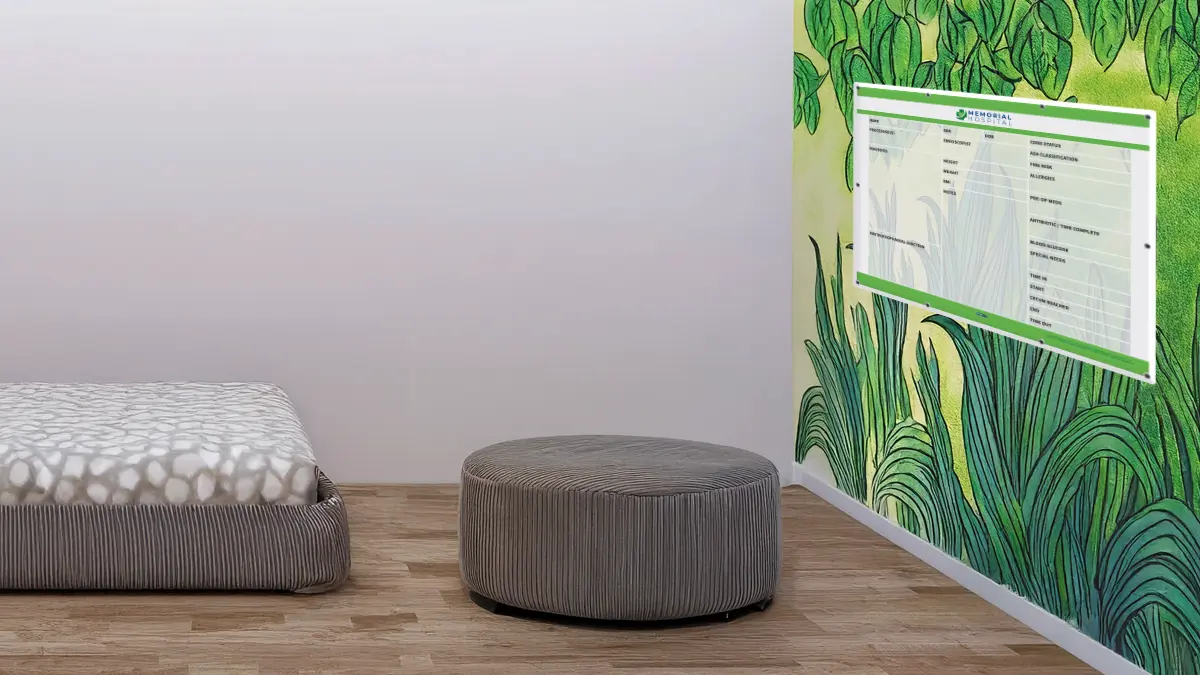
Effective patient communication is a vital part of mental health care, the physical items within the built environment play a critical role in the daily experience of patients and staff. This guide provides practical strategies for selecting behavioral health furnishing and decor in high-risk areas, focusing on materials, features, and placements that promote healing, encourage positive communication, and ensure ultimate safety through evidence based design principles.
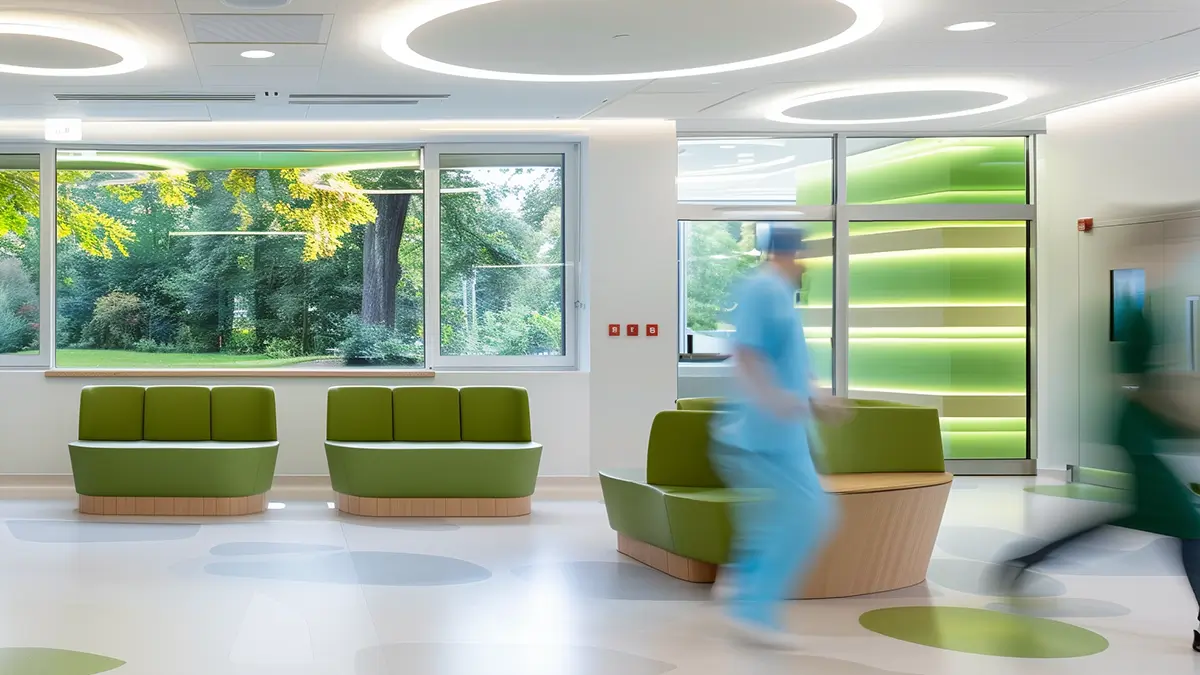
Deinstitutionalize with the shocking transformation from cold, sterile psychiatric wards to warm, healing spaces that actually boost mental health! Learn the secret design tricks behavioral health experts use to reduce patient anxiety, improve safety, and turn even high-risk areas into calming sanctuaries. Don’t miss how simple changes like reimagined patient boards and natural light can revolutionize care and save lives!