

VisiCare boards transform patient-provider interactions by allowing individuals to communicate their pain levels effectively through color-coded scales and visual aids. This enhanced communication reduces patient anxiety and ensures timely interventions, improving comfort and satisfaction. Customizable features make these boards adaptable, supporting diverse patient needs across various healthcare settings for optimal outcomes.

The Veterans Pain Scale revolutionizes pain management for veterans, offering patient-centered care tailored to individual needs. Learn about the collaborative efforts required to implement and support this innovative tool, ensuring our nation’s heroes receive the high-quality healthcare they deserve. Empowering veteran healthcare starts with improved pain assessment.

VisiCare’s tools enhance pain management by bridging communication gaps. The integration of the Wong Baker scale and high contrast face pain scales on patient communication boards ensures inclusivity for patients with visual impairments or language barriers, thereby improving patient care and satisfaction. Learn more about customizing these solutions to benefit your practice.

The adoption of VisiCare Glass Boards effectively modernizes healthcare communication systems by revolutionizing nurse workflows and reducing call light usage. These boards enhance efficiency, prioritize patient-centered care, and support improved patient outcomes, making them a valuable asset for healthcare professionals aiming to elevate operational standards and patient care quality.
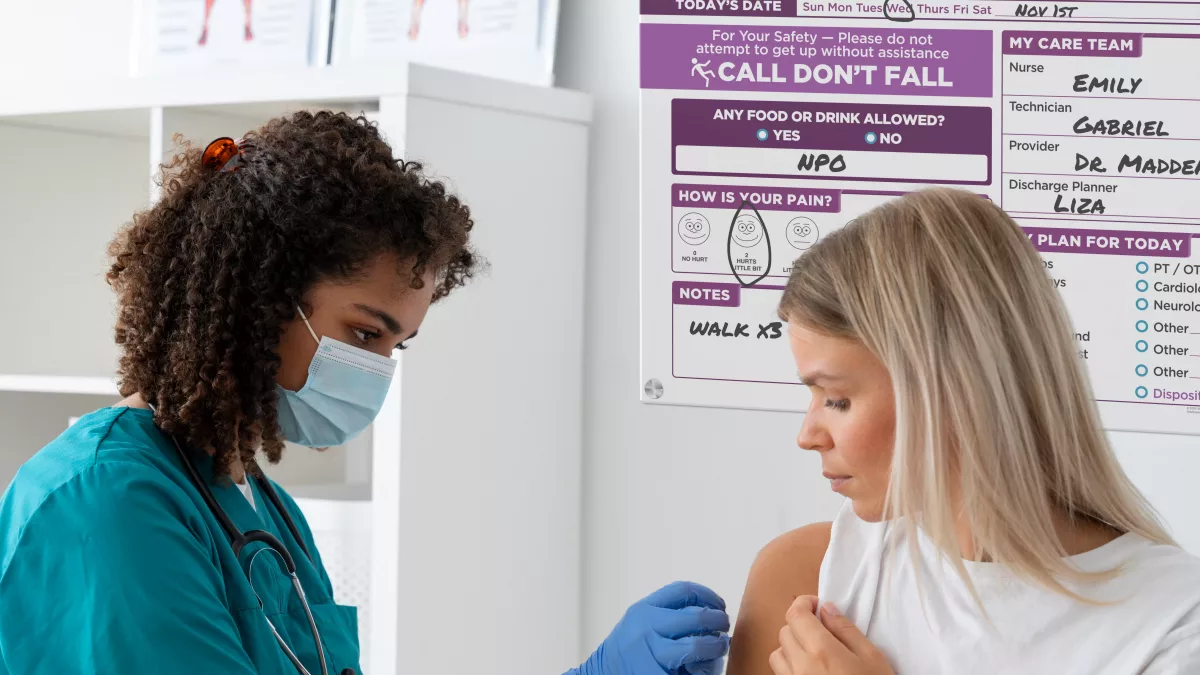
Glass whiteboards, such as glass dry erase boards and glass markerboards, present a transformative communication solution in healthcare settings. By incorporating these into daily operations, hospitals can foster improved hygiene, durability, and efficiency. Engaging staff via training and customization ensures these tools are effectively used, significantly enhancing the overall quality of communication.

Discover the future of patient care with our latest article on innovative hospital discharge processes. Learn how VisiCare™ Plexi Patient Boards are enhancing communication and efficiency, reducing readmissions, and boosting patient satisfaction. Ensure your healthcare facility stays ahead by integrating these cutting-edge tools. Embrace the change and transform your discharge procedures today.

From customizable boards to vibrant full-image surfaces, acrylic solutions elevate patient experiences and operational efficiency. Explore how VisiCare Plexi Boards offer innovative communication tools, blending aesthetics with functionality. Contact VisiCare to revolutionize your facility with our top-tier, customized acrylic solutions today.

Explore the unique benefits of Plexiglass for your next project with VisiCare. This article covers its aesthetic and practical uses in healthcare, design, and urban planning. Learn about Plexi Boards’ transparency, durability, and maintenance, and connect with VisiCare experts for tailored solutions to enhance your space efficiently.

Emphasizes the importance of integrating dry erase accessories in healthcare settings to enhance communication, organization, and time management. The use of color-coded markers, magnetic accessories, and tactile stickers as effective solutions. Investing in these tools can transform glass dry-erase boards into vital communication hubs, leading to improved patient care and streamlined workflows.

Glass dry erase boards in healthcare settings enhance communication, organization, and patient care by providing a durable, high-quality writing surface. They aid in visualizing information clearly, thereby improving health outcomes and fostering professional development. By offering custom options and reliability, these boards represent a valuable investment for medical professionals seeking to maintain efficient and professional environments.