


The Unspoken Language for Non-Verbal Communication in Nursing
In nursing, what isn’t said is often more important than what is. A single reassuring gesture can build trust in seconds, while a rushed, dismissive glance can break it just as quickly. While verbal skills are essential, non-verbal signals—from body language and facial expressions to visual aids and environmental cues—frequently convey more meaning. This is especially true when patients are anxious, in pain, or unable to communicate effectively.
Mastering the art of non-verbal communication is a critical clinical skill that can transform patient care. This article will explore key non-verbal communication in nursing, providing specific, actionable strategies for different hospital departments. We will examine how nurses in the Emergency Department, Mental Health Units, and Pediatric Wards can leverage these techniques to build trust, enhance safety, and improve patient outcomes.
The Foundations of Non-Verbal Communication
Before diving into department-specific tactics, it is crucial to understand the core components of non-verbal communication. These foundational skills are universal and form the basis of effective communication and strong nurse-patient relationships in any healthcare setting.
Body Language as a Tool for Trust
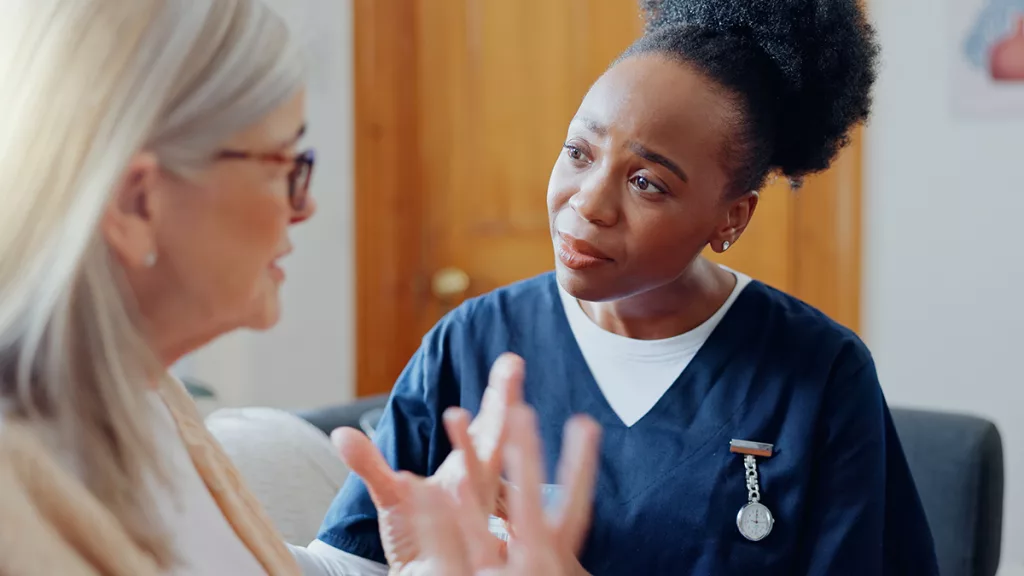
Your body language sends powerful messages before you ever speak a word. To build rapport and convey respect, nurses and other healthcare professionals should be mindful of their posture, positioning, and personal space. Key communication skills include:
- Maintaining an open stance with arms uncrossed to signal receptiveness and confidence.
- Sitting at eye level with patients rather than standing over their bed to break down hierarchical barriers and foster partnership.
- Maintaining appropriate eye contact to show engagement and attentiveness, while being culturally sensitive to varying norms.
The goal is to convey presence and focus, making the patient feel like they are the most important person in the room.
The Power of Touch and Facial Expressions
Non-verbal cues such as touch and facial expressions are vital components of effective therapeutic communication. Important aspects include:
- Using a gentle, reassuring touch on the arm or shoulder to offer comfort and reduce anxiety when words fall short.
- Employing therapeutic touch appropriately and with permission to foster connection and lower patient stress.
- Expressing empathy through genuine smiles to put patients at ease, while avoiding facial expressions like furrowed brows or impatience that can increase fear.
Department-Specific Strategies for Non-Verbal Excellence
The principles of non-verbal communication apply across healthcare settings but must be tailored to address unique communication barriers in different clinical environments.
The Emergency Department (ED) – Projecting Calm in Chaos
The Challenge: The ED is a high-stress, fast-paced environment where patients and family members often arrive anxious and in pain.
Effective Communication Strategies:
- Use deliberate, controlled movements and maintain a composed facial expression to project confidence and competence.
- Move with purpose rather than rushing, and use clear, open-hand gestures instead of pointing, which may feel aggressive.
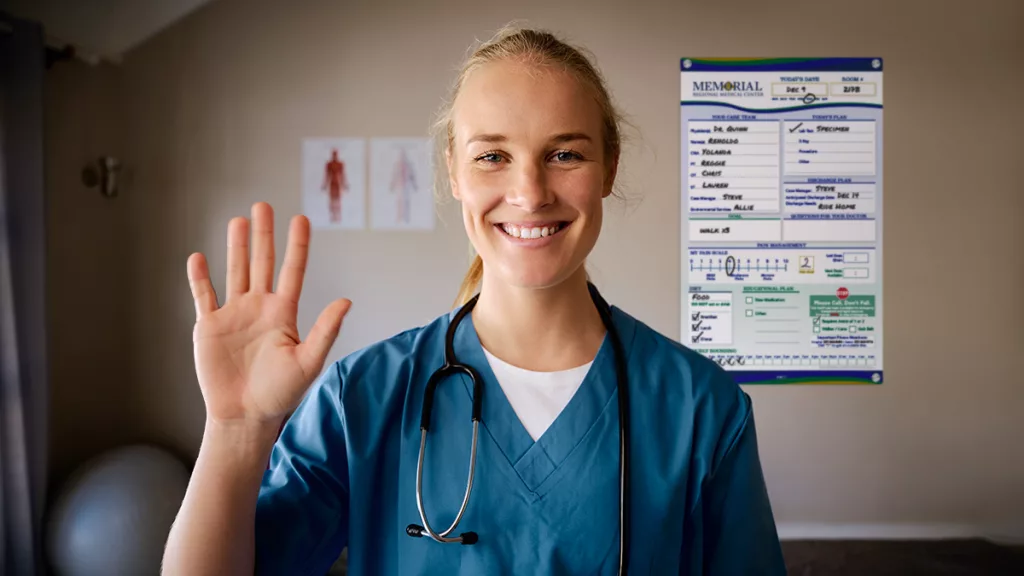
- Incorporate visual aids such as clear signage and patient whiteboards to silently communicate wait times, care plans, and expectations, reducing repetitive questions.
- Design the environment thoughtfully with intuitive layouts, acoustic control, and clear sightlines to support a calm atmosphere.
For more on environmental design supporting communication and safety in EDs, see Designing a Safer Emergency Department by VisiCare.
Mental Health Units – Building Safety Through Presence
The Challenge: Patients in behavioral health settings may experience paranoia, severe anxiety, or psychosis, making trust difficult to establish.
Effective Therapeutic Communication Techniques:
- Adopt a non-threatening posture by sitting at a slight angle rather than directly face-to-face.
- Avoid crossing arms or standing with hands on hips, as these can appear dominant or dismissive.
- Use mirroring techniques by subtly matching a patient’s posture or cadence to build rapport.
- Utilize patient communication boards to provide predictable schedules and introduce care teams without overwhelming direct interaction.
Recent evidence highlights how these non-verbal strategies help de-escalate situations and maintain safety in behavioral health environments (Beyond Capacity by VisiCare).
Pediatric Wards – Communication Skill with Creativity and Care
The Challenge: Young patients may be scared of the hospital environment and unable to understand complex explanations or verbalize needs.
Communication Skills to Encourage Patients:
- Physically get down to the child’s level by kneeling or sitting to appear less intimidating.
- Use tools like dolls or teddy bears to demonstrate procedures before performing them.
- Employ exaggerated, friendly facial expressions and a soft tone of voice to capture attention and reassure.
- Use visual pain scales with expressive faces to empower children to communicate feelings nonverbally.
Visual Aids and the Environment as Silent Communicators
Non-verbal communication extends beyond personal interactions. The tools nurses use and the physical environment itself convey important messages.
Patient Whiteboards: The Non-Verbal “Single Source of Truth”
Patient whiteboards serve as continuous, silent communication tools by:
- Displaying the plan of care and daily goals.
- Introducing names and faces of the care team.
- Setting expectations for discharge.
These boards provide clarity and a sense of control for patients and family members alike.
Environmental Cues That Speak Volumes in Health Care
The care environment communicates through design choices affecting patient comfort and dignity:
- Layout, lighting, color, and spatial organization influence feelings of safety.
- A tidy, organized room signals competence and care, while clutter can cause anxiety.
- Simple actions like knocking before entering or closing doors to ensure privacy are meaningful non-verbal messages.
For a deeper understanding of healing hospital design supporting communication, see Beyond Blueprints: A Guide to Healing Hospital Design.
A Critical Clinical Competency
Mastering non-verbal communication in nursing is an essential communication skill that directly influences patient safety, trust, and healing. To enhance your communication skills:
- Perform a self-audit of your non-verbal habits and consider what your gestures and expressions communicate before speaking.
- Recognize and overcome communication barriers by adapting your style to individual patient needs and cultural norms.
- Healthcare professionals and nurse leaders should invest in environments and tools that support effective therapeutic communication.
By aligning body language, visual aids, and environmental design, nurses can foster a culture of patient-centered care that leads to positive health outcomes and improved patient satisfaction in health sciences and health care settings.