
Patient Experience in Healthcare: Tips & Trends
Patient experience encompasses every interaction patients and their families have with your facility. Understanding and improving this complex journey is essential for delivering compassionate, efficient, and trusted healthcare.
When we talk about the patient experience, we must look beyond the person occupying the hospital bed. The modern healthcare customer base is highly complex. It includes the patients receiving care, their families, and their dedicated caregivers. It even extends to digital audiences observing your facility’s reputation on social media platforms. Every interaction these individuals have with your facility shapes their perception of your quality of care.
VisiCare’s expertise in designing and manufacturing patient and staff white boards, including high-quality glass boards, positions us uniquely within the healthcare industry to lead the next wave of patient care innovation. Our deep understanding of healthcare facility needs enables us to create communication tools that enhance clarity, safety, and engagement for both patients and care teams. By integrating customizable, durable, and easy-to-clean boards into clinical environments, we help streamline communication workflows and support better patient outcomes. As healthcare evolves toward more patient-centered, technology-driven models, VisiCare’s solutions stand at the forefront, reflecting our commitment to improving the patient experience and empowering staff through thoughtful design and innovation. This article shares our observations on how these tools and service platforms are shaping the future of healthcare communication and care delivery.
Adapting to Today’s Healthcare Customer Experience Landscape
Understanding this dynamic is critical right now. Hospitals face mounting pressure from changing regulatory standards, tight budget approvals, and the demand for higher patient satisfaction scores. Facilities must adapt to stay competitive, but they have to do so without exhausting their resources. This guide explores the modern health care customer experience, highlights current industry trends, and provides actionable, cost-effective tips for improving operational workflows without disrupting your existing processes.

Defining the Modern Healthcare Customer
Understanding Your Healthcare Audience
To improve the patient/customer experience, facilities must first understand exactly who they are serving. The healthcare journey rarely involves just one person. Families and caregivers play a crucial role in medical decision-making, post-discharge care, and overall satisfaction. If a patient receives excellent clinical care but their family feels uninformed or ignored by staff, the overall customer experience suffers. Equally important is recognizing how patients feel throughout their care—patients who feel understood, empowered, and safe are more likely to trust their providers and engage positively with their care. Providing emotional support that addresses a patient’s fears and uncertainties is essential for a holistic patient experience.
The Evolving Role of Digital Reputation in Healthcare Customer Experience
Social media has also fundamentally changed the landscape. Digital audiences frequently read online reviews and social media comments before choosing a facility. A hospital’s digital reputation is a core component of the customer experience in health care. Managing this online presence requires a careful, conservative approach. Facilities should monitor digital feedback and address concerns professionally while strictly maintaining HIPAA compliance and patient privacy.
Key Trends Shaping the Healthcare Consumer Experience
Understanding the Shift in Healthcare Consumer Expectations
Innovation is driving new expectations. Healthcare managers must stay informed about the trends influencing patient satisfaction and operational success.
Opening Access and Setting the Standard
First impressions increasingly happen on a screen rather than at a reception desk. The rise of patient portals, telehealth services, and mobile scheduling apps has created a “digital front door” for medical facilities. Patients expect to book appointments, view test results, and message their doctors from their smartphones. When hospitals ensure the seamless integration of these digital tools, such as integrated digital boards that connect directly with EMR and EHR systems, they see enhanced patient care and higher staff adoption rates. Intuitive digital systems reduce administrative bottlenecks, allowing patients to access care faster.
Personalized, Data-Driven Care
Leveraging Real-Time Data for Personalized, Compliant Care
Healthcare facilities are leveraging real-time data tracking and real-time digital boards that display personalized patient information to anticipate patient needs before they become urgent issues. By analyzing patient histories, feedback, and workflow data, hospitals can offer highly personalized care plans. For example, data can flag when a patient is due for a specific screening or alert staff to a history of adverse medication reactions. These scalable systems provide immense value, provided they remain strictly compliant with healthcare IT standards and data security regulations.
The Role of Healthcare Teams and Bedside Manner
Collaborative Care and Compassionate Communication
Healthcare teams—including doctors, nurses, and allied healthcare professionals—must work cohesively at every touchpoint to meet patient expectations. Strong bedside manner combined with efficient care delivery fosters trust and improves clinical outcomes. Empathetic communication across all interactions, from scheduling appointments to discharge, supported by interactive patient care tools that reinforce safety and engagement, is critical for a great healthcare customer experience.
Focus on Staff Efficiency as a Driver of Patient Satisfaction
Staff Efficiency, Burnout, and Experience—A Service Leadership Perspective
There is a direct correlation between clinician burnout and a declining patient experience. Overworked staff using outdated technology cannot provide the attentive care that modern healthcare consumers expect. User-friendly, customizable workflow tools, including healthcare UX design trends that prioritize intuitive, AI-enabled communication tools, empower staff by automating repetitive tasks and streamlining communication. Empowered nurses and doctors spend less time navigating clunky software and more time at the bedside.
Actionable Tips for Improving Customer Experience in Healthcare
Actionable Strategies for Sustainable Healthcare Growth
Administrators looking for sustainable growth need strategies that balance patient needs with staff capabilities. Supporting patients in making informed decisions and mapping the entire patient journey ensures clear, empathetic communication at every touchpoint—leading to better experiences and improved adherence to treatment plans. Here are practical ways to elevate your facility’s performance, including adopting customized patient communication boards tailored to your units and workflows.

Streamline Communication and Workflows
Streamlining Communication and Workflows in Healthcare Customer Experience Initiatives
Communication breakdowns remain one of the primary causes of patient complaints and medical errors. To address this challenge, healthcare leaders should invest in intuitive communication tools that require minimal staff training, ensuring universal adoption across the team. Optimizing administrative processes and patient flows not only streamlines operations but also enhances the patient experience by reducing patient wait times and improving overall satisfaction, especially when paired with healthcare environment design that improves safety, efficiency, and patient-centered care. When evaluating new technology, it is essential to prioritize solutions designed for seamless integration with your existing electronic health records (EHR). Integrated systems eliminate redundant data entry, close communication gaps, and ensure care teams always have access to accurate, up-to-date patient data, ultimately elevating both care quality and operational efficiency.
Managing Long Wait Times and Scheduling Challenges
Addressing Scheduling and Wait Time Issues
Long patient wait times often stem from manual scheduling, limited staff capacity, or disconnected communication channels. Implementing online scheduling, automated appointment reminders, and self-service tools can significantly reduce wait times and improve patient access. Additionally, chatbots and self-service menus help patients get answers to simple questions quickly, easing administrative burdens and enhancing the overall healthcare experience.
Leveraging Patient Feedback for Continuous Improvement
Measurement and Continuous Improvement in Healthcare Customer Experience
You cannot improve what you do not measure. Implement automated, compliant patient and staff feedback surveys, including mobile prompts, to capture insights directly from the source. Send brief, accessible surveys to patients following their discharge, and regularly poll your staff regarding workflow challenges. Collecting and acting on patient feedback is essential for continuous improvement in patient experience, as it helps identify what matters most to patients and guides meaningful changes. Use this data for continuous improvement and competitive benchmarking against peer institutions. Identifying specific pain points allows management to direct budget approvals toward the areas that will yield the highest return.
Transparency and Trust in Healthcare Service Delivery
Enhancing Transparency About Services and Costs
Transparency about healthcare services and costs is a key factor in reducing patient frustration and building trust. Clear communication regarding treatment options, billing, and insurance coverage empowers patients to make informed decisions and fosters a stronger provider’s reputation. Healthcare organizations that prioritize transparency often see increased patient retention and referral rates.
Prioritize Regulatory Compliance and Safety
Compliance & Patient Trust in Healthcare Customer Experience
Any new initiative designed to boost the health care customer experience must come with a strict compliance guarantee. Protecting patient information and ensuring data compliance with regulations like HIPAA are critical for building and maintaining patient trust. Maintaining strict adherence to industry regulations does more than prevent fines; it actually builds profound trust with your community. Patients who feel confident that their privacy is protected are more likely to engage honestly with their providers.
Best Practices for Evaluating Healthcare Technology Vendors
When evaluating new healthcare tech vendors, use a clear evaluation process:
- Verify Certifications: Ensure the vendor adheres to HIPAA and relevant healthcare IT standards.
- Check Interoperability: Confirm the software integrates securely with your current EHR.
- Review Vendor History: Look for positive feedback and case studies from similar hospitals.
- Assess Training Needs: Guarantee the interface is user-friendly to ensure high staff adoption.
Elevating Care Through Smart Innovation
Healthcare UX Design Trends and Advanced Analytics
The healthcare industry is embracing customer relationship management (CRM) systems, advanced analytics, and self-service tools to enhance healthcare cx and improve care delivery. These technologies enable better patient communication, personalized care, and efficient service delivery. Digital transformation initiatives that incorporate these tools help healthcare organizations retain patients and achieve better health outcomes.
Elevating Care Through Smart Innovation and Compliance
Enhancing the healthcare customer experience today requires a thoughtful, balanced approach. Compassionate care and a positive healthcare experience are built on empathetic communication, timely access to care, and a clean, comfortable physical environment. Effective hospital leadership means introducing user-friendly, intuitive technology, investing in the ongoing empowerment of clinical staff, and upholding the highest standards of regulatory compliance at every stage. Selecting and implementing the right customizable solutions should work with your facility funding. These targeted, strategic investments yield a positive return by improving workflow efficiency, lowering operational costs, and consistently supporting better patient outcomes.
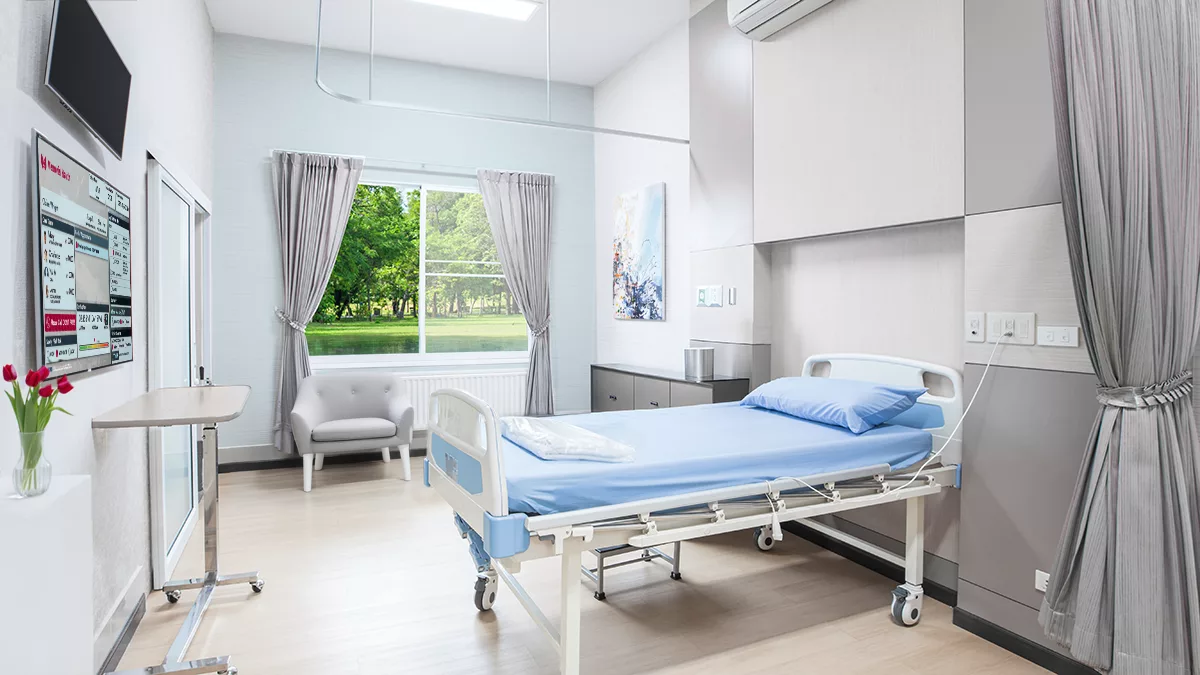
The physical environment plays a crucial role in shaping patient experience—features like comfortable seating, Wi-Fi, and access to natural light can reduce anxiety and promote healing. A clean, quiet, and well-maintained space that incorporates wellness-focused interior design elements like lighting, acoustics, and biophilic features supports a patient’s sense of safety and dignity. Additionally, ensuring discharge preparedness with clear, structured instructions and medication education is vital for a safe transition home.
Stay proactive by regularly assessing patient touch points and engaging your clinical managers and nursing staff, whose insights into nurse-informed healthcare design for safer, more efficient environments are invaluable, to address the root causes of workflow challenges. Incremental, data-driven improvements can make a measurable difference in the way patients and their families experience your organization’s care and commitment to service.
Routine Assessment for Continuous Experience Improvement
Take a moment this week to audit your current patient touch points. Survey your clinical managers and nursing staff to identify the most persistent workflow bottlenecks in your facility. Small, targeted improvements can transform the way patients and families perceive your quality of care.
Value-Based Care and Customer Experience Management
In today’s healthcare system, value-based care models emphasize improving clinical outcomes while managing costs. Customer experience management is closely linked to this priority, as better patient engagement, clear communication, and personalized care contribute directly to better health outcomes and operational efficiency. Healthcare organizations that align CX initiatives with value-based care goals position themselves for long-term success in a competitive healthcare landscape.