
10 Reasons Why Art Is So Good For Us
The modern healthcare environment is undergoing a profound transformation. Medical professionals are moving away from purely sterile, clinical settings and embracing intentional spaces that reflect the “art of care.” This shift is highly relevant for hospital administrators and clinical managers aiming to optimize workflows and improve patient satisfaction scores. Integrating medical artwork is a cost-effective innovation that aligns seamlessly with strict regulatory standards. It empowers staff efficiency while elevating the standard of care provided to patients.
If you are wondering what are the benefits of art in a medical context, the answers lie at the intersection of Health and Arts. Insights from an associate professor specializing in art therapy and a program director overseeing arts and humanities programs in healthcare institutions highlight how thoughtful facility design can significantly lower patient anxiety, creating supportive environments that actively promote recovery. This evolution aligns directly with the growing demand for Interactive Patient Care. When hospitals invest in visually appealing spaces, they build environments that reduce stress, support communication, and streamline daily operations.
Explore the tangible benefits of artwork, the role of interactive patient tools, and actionable strategies for seamless integration into hospital workflows.
Enhancing Patient Care and Health Outcomes
1. Reduces Patient Stress and Anxiety
The clinical benefits of art are backed by substantial data. When patients are admitted to a hospital, they often experience heightened anxiety and stress. Research shows that engaging in artistic activities can lower cortisol levels—a hormone associated with stress—and induce a flow state, helping patients focus and relax. In fact, a 45-minute art-making session has been shown to significantly reduce cortisol levels, promoting a sense of calm and well-being. Carefully curated visual elements, such as nature scenes and calming landscapes, can naturally lower blood pressure, lower stress, and reduce stress levels for patients upon arrival. By transforming a sterile room into a comforting environment, facilities can immediately improve the patient’s state of mind and establish a foundation for a smoother recovery.
2. Lowers Reliance on Pain Medication
The connection between Health and Arts extends directly to pain management. Data consistently proves that thoughtfully curated healing art can actively reduce patients’ physical perception of pain. When patients focus on soothing visual stimuli rather than clinical machinery, their reported pain levels often decrease. Engaging with art not only helps with pain perception but also supports physical well-being and physical wellness by reducing stress hormones and increasing dopamine, which enhances both mental and physical health. This art benefit translates into a lower reliance on pain medication, which minimizes potential side effects and accelerates the overall healing process.
3. Gives Patients a Sense of Control
Hospitalization can leave individuals feeling vulnerable and disoriented. Integrating medical artwork provides immense benefits of artwork by transforming blank walls into active participants in the recovery journey. Familiar, aesthetically pleasing visuals make patients feel safe, informed, and respected. Opportunities for self expression and artistic expression—whether through creating or viewing art—can help patients feel more in control and empowered during their hospital stay, supporting them in managing stress and trauma. This visual comfort gives them a renewed sense of control over their environment, which directly correlates with higher patient satisfaction scores.
Empowering Staff Efficiency and Collaboration
4. Mitigates Staff Burnout
Nurses and clinical managers operate in high-stress, fast-paced environments that frequently lead to burnout. The advantages of beautiful, functional design directly impact staff well-being. Participating in or simply viewing an art project can offer stress relief and emotional support for staff, helping to mitigate burnout and foster a sense of community. A visually stimulating workplace improves daily job satisfaction and provides mental relief during demanding shifts. When clinical teams feel supported by their physical environment, they maintain higher energy levels and deliver more compassionate care.
5. Reduces Communication Gaps
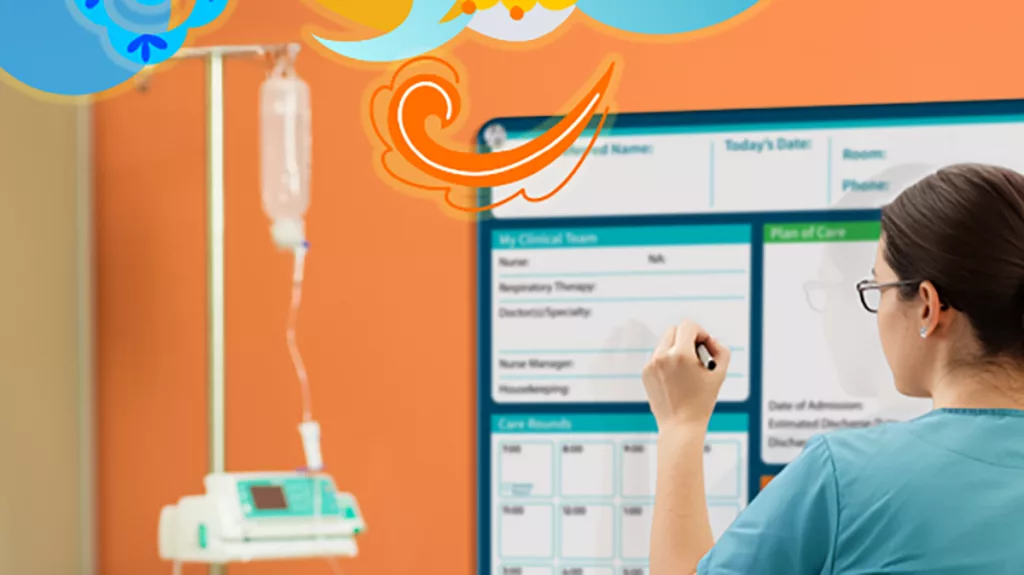
The benefits of being artistic in facility design translate directly to operational efficiency. Functional artwork, such as thoughtfully designed patient communication boards, organizes critical information in an accessible format. This clear communication minimizes the repetitive questions nurses face daily. By bridging communication gaps, staff members can focus their time and expertise on direct patient care rather than administrative repetition.
6. Drives High Staff Adoption Rates
Introducing new tools into a clinical workflow often meets resistance if the technology is overly complex. Functional art, specifically aesthetic patient boards, features a user-friendly design requiring minimal staff training. This seamless integration ensures high staff adoption rates. Medical teams readily embrace tools that look beautiful and make their jobs easier, proving the profound art advantages in everyday hospital management.
Advancing Interactive Patient Care
7. Transforms Clinical Tools into Functional Art
Modern patient communication boards represent the perfect merger of aesthetics and health data. They transform clinical tools into functional art, displaying vital recovery information in a visually pleasing manner. This evolution proves the tangible art advantages in daily operations. Instead of staring at an intimidating medical monitor, patients engage with a beautiful, organized display that keeps them informed and relaxed.
8. Fosters Family and Patient Engagement
Healthcare is a collaborative process that often involves worried family members. Interactive patient care tools keep families updated without feeling overwhelmed by clinical equipment. Clear, visually appealing communication boards allow relatives to quickly understand care plans, daily goals, and discharge schedules. This transparency builds trust and fosters deeper engagement between the medical team, the patient, and their loved ones.
Delivering ROI and Compliance Guaranteed
9. Offers Cost-Effective Innovation
For facility leaders and procurement officers, financial viability is a top priority. Understanding the financial benefits of art reveals how strategic design choices lead to long-term cost savings. Creating a supportive environment improves staff retention, which lowers expensive turnover rates. Furthermore, streamlined communication tools reduce operational errors. This cost-effective innovation ensures a high return on investment (ROI) while supporting hospital growth.
10. Ensures Strict Regulatory Compliance
Administrators must differentiate between generic decor and intentional medical design. True arts for healing initiatives use certified safe materials that meet HIPAA and rigorous healthcare IT standards. The benefits of creating art-focused clinical spaces are perfectly illustrated by the Cornell Scott-Hill Health Center case study. Facing the challenge of building a welcoming yet compliant space, they curated art that resonated with the local culture. This community-centered design successfully scaled beyond the hospital walls, maintaining strict regulatory compliance while vastly improving staff and patient experiences.
The Creative Process: Unlocking New Perspectives
The creative process is like having a trusted companion on your personal growth journey—one that can completely transform how you navigate life’s challenges, process emotions, and discover who you really are. Whether you’re picking up a paintbrush, losing yourself in music, or putting pen to paper, engaging with creativity gives you this wonderful space to express yourself authentically and unlock ways of thinking you never knew existed.
- Boosts Problem-Solving Skills: Here’s the thing about creative pursuits—they’re like mental gymnastics for your brain! When you’re creating art or making music, you naturally start approaching problems from fresh angles, and this skill becomes your secret weapon for finding innovative solutions in everyday life.
- Enhances Cognitive Function: We love sharing this research because it’s so encouraging—participating in creative activities actually lights up your brain in amazing ways, building new neural pathways and helping keep your mind sharp as you age. It’s like giving your brain a daily workout that’s actually fun!
- Supports Mental Health and Well-Being: Think of creating art as your personal stress-relief sanctuary. It’s a proven method that gently decreases those tough emotions like anxiety and depression while boosting positive feelings and overall well-being. We’ve seen how transformative this can be for people.
- Promotes Flow and Focus: You know that magical feeling when you’re completely absorbed in something? That’s the “flow state” we’re talking about—those beautiful periods of deep focus and concentration that bring mental clarity and such a satisfying sense of accomplishment.
- Improves Self-Esteem and Emotional Processing: Art therapy and creative expression offer you this safe, nurturing space to work through emotions, build self-esteem, and support your personal growth journey. It’s like having a gentle conversation with yourself through your art.
- Strengthens Social Connection: There’s something really special about sharing creative projects or joining group creative activities—it builds genuine community and improves communication in ways that are so vital for mental health and social well-being.
By weaving creative activities into your daily routine, you can naturally reduce stress, improve how you process emotions, and boost your self-confidence. The healing power of creativity is truly remarkable—it’s your ally in building resilience, connecting with others, and creating a more fulfilling, authentic life.
Elevating Your Facility’s Healing Environment
Integrating healing art into medical spaces is a proven strategy for enhancing patient care, securing a high ROI, and driving hospital growth. Professional artists play a vital role in setting standards of craftsmanship and inspiring others within the art community, elevating the quality and impact of art in healthcare environments. Creating visual art—such as drawing or painting—not only provides comfort but also supports cognitive function and mental health by stimulating brain activity and promoting the growth of new neurons, which enhances overall cognitive function, especially in older adults. Engaging in artistic activities can help reduce memory loss by activating both hemispheres of the brain and strengthening neural pathways, building cognitive reserve that helps fight off age-related decline and dementia. Art also encourages creative thinking and problem-solving skills, boosting cognitive flexibility and mental clarity.
Importantly, every person, regardless of skill level, can benefit from the act of creating art, as it fosters self-expression and emotional well-being. Creating art releases dopamine, which enhances feelings of pleasure and accomplishment, leading to improved self-esteem. Studies show that participation in creative art programs increases self-esteem and self-efficacy, particularly for those facing health challenges or mental health conditions, including mood disorders. Art therapy, a regulated mental health profession, combines psychological methods with creative expression to help individuals work through emotional issues and achieve personal insight. Trained therapists use artistic methods to support patients with diagnosed mental health needs, facilitating healing and communication.
By blending the science of medicine with the art of design, facilities can ensure compliance while delivering a superior standard of care. Intentional medical artwork transforms clinical environments into true spaces of healing.
Take the next step in improving your clinical operations. Schedule a strategic huddle with our team to build your facility’s patient board strategy and discover how functional art can elevate your patient care.