
Health and Arts: Bridging Gaps Through Healing Art for Equity
Healthcare facilities are undergoing a profound physical and philosophical transformation, driven in part by the rapidly growing field of arts in health. This multidisciplinary approach is dedicated to transforming the healthcare experience by connecting people with the power of the arts at key moments in their lives. Medical professionals are actively moving away from purely sterile, clinical settings to embrace spaces that reflect the true art of care. Achieving health equity requires an environment where every patient feels safe, respected, and thoroughly informed during their recovery. Integrating arts in health serves as a powerful method to establish this baseline of supportive care for all demographics.
For hospital administrators and clinical managers, facility design represents a critical area for cost-effective innovation. Leaders need reliable tools to improve patient satisfaction and optimize workflows without compromising on rigorous compliance standards. Creating a supportive, welcoming atmosphere helps level the playing field for vulnerable or underserved populations. Visual elements, including visual arts as a key discipline within arts in health, transform intimidating clinical spaces into comforting rooms that encourage healing and active patient participation.
Historically, medical environments prioritized raw utility over human comfort. This approach often left patients feeling alienated and stressed. Modern healthcare management recognizes that physical surroundings play a direct role in clinical outcomes. The World Health Organization defines health as a state of complete physical, mental, and social well-being—not merely the absence of disease or infirmity. By viewing facility design through the lens of patient well-being, administrators can solve complex operational challenges. Cultivating an environment that soothes the senses actively contributes to the overall effectiveness of medical treatments and supports wellbeing through arts in health initiatives.
This post explores five actionable opportunities where intentional medical design promotes equitable outcomes. Arts in health initiatives support wellbeing for all age groups, making this approach relevant across the lifespan. By blending clinical excellence with functional aesthetics, your facility can enhance staff efficiency, advance interactive patient care tools, and ensure every individual receives a superior standard of care.
1. Reducing Patient Stress and Closing Outcome Gaps
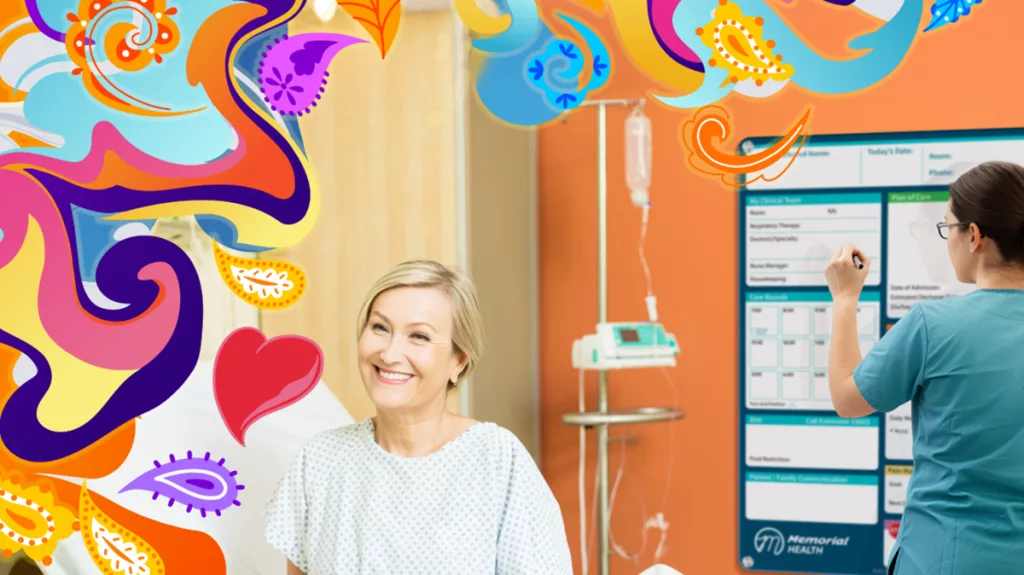
Hospitalization frequently brings heightened anxiety, particularly for vulnerable populations who may already face disparities in medical access. Healing art addresses this anxiety directly by softening the clinical environment. When individuals from underserved communities enter a medical facility, visual comfort can instantly signal that they are in a safe, caring space. Research shows that community-based arts workshops can improve mood and cognition in older adults and boost mental health in community settings.
Clinical evidence strongly supports the benefits of artwork in hospitals. Thoughtfully curated visual elements, such as calming nature scenes and tranquil landscapes, naturally lower a patient’s blood pressure upon arrival. Structured, repetitive creative activities, as part of creative arts therapies, can reduce anxiety and promote mindfulness. Patients exposed to these intentional environments often require less pain medication. They also report lower levels of perceived pain and experience a smoother overall recovery process.
Providing visual comfort establishes a baseline of equitable, supportive care for every person. Greater frequency of arts participation is linked to positive health outcomes for older adults, enhancing their overall well-being. When physical surroundings actively reduce stress, outcomes improve across diverse patient populations. This dynamic directly supports health equity initiatives by ensuring that the healing environment itself does not add to the patient’s physiological or psychological burden.
Creative arts therapy can help treat mental health conditions by improving focus, assisting with processing emotions, enhancing communication, and increasing self-esteem. Participating in group arts builds a sense of belonging and reduces loneliness, which is vital for mental health. Arts participation is also linked to reduced rates of cognitive decline and improved memory, particularly for older adults, and improved cognitive function for those with neurodegenerative disorders.
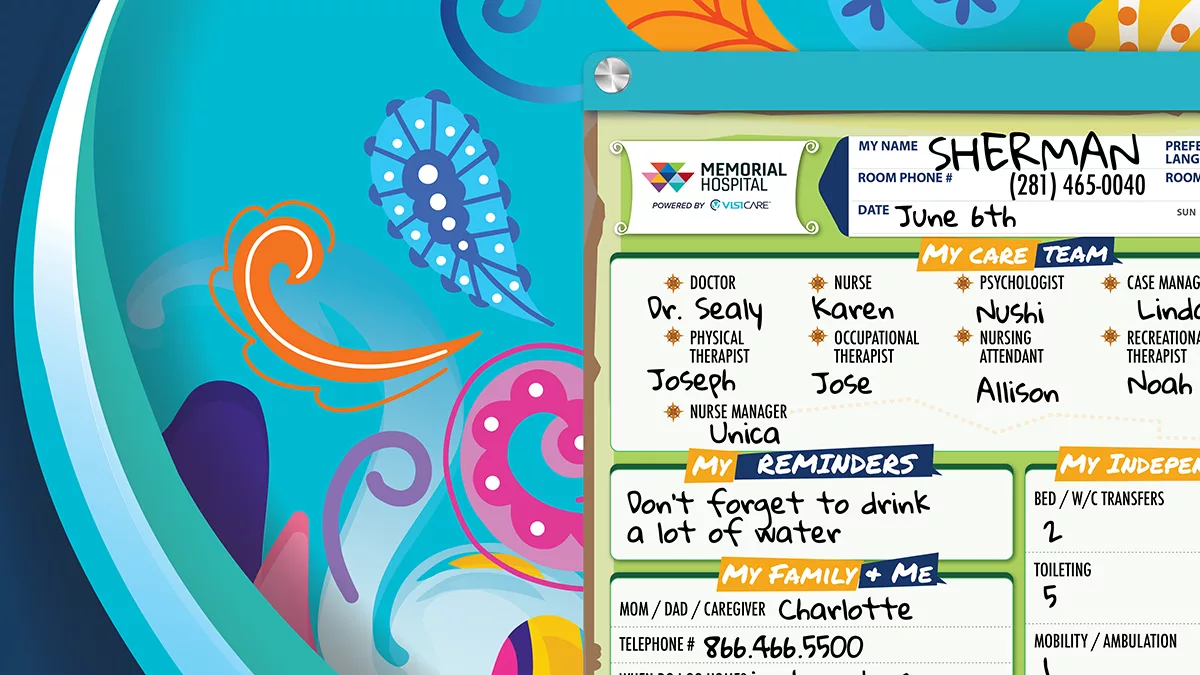
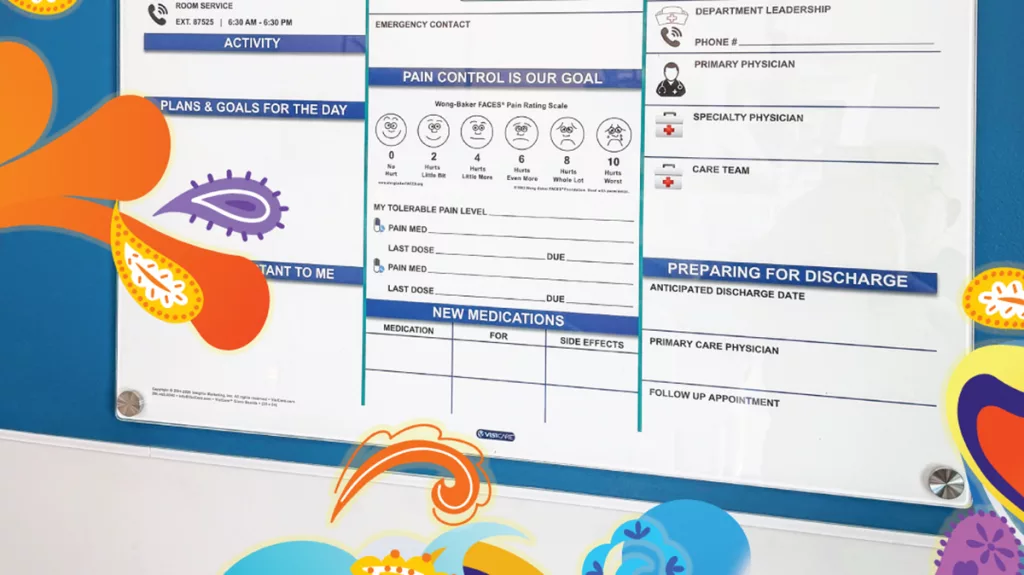
An effective way to integrate healing art while reinforcing hospital identity is through custom-designed patient whiteboards that blend artistic elements with the health system’s branding. These whiteboards serve as functional communication tools while incorporating calming visuals and colors aligned with the facility’s aesthetic. By embedding artwork that reflects the hospital’s mission and community values, these boards create a cohesive environment that supports patient comfort and engagement. Custom whiteboards can feature artwork inspired by local culture or nature scenes, promoting emotional resilience and a sense of belonging. This integration not only enhances health care providers’ communication with patients but also elevates the overall atmosphere, making the healing environment more personalized and supportive.
2. Overcoming Barriers with Interactive Patient Care
The practice of medicine relies heavily on clear, effective communication. Facility design should echo this reality by creating seamless experiences that educate and empower individuals. Modern patient communication boards represent the perfect merger of pleasing aesthetics and vital health data. These displays transform traditional clinical tools into functional, healing art. Creative arts therapy activities, such as music, dance, writing, and painting, are often tailored by healthcare providers to meet the clinical goals and interests of patients, supporting both emotional well-being and recovery.
Implementing aesthetic communication boards significantly reduces dangerous communication gaps. These tools help overcome language and literacy barriers by organizing complex medical information intuitively. Patients and their families gain immediate, easy-to-understand access to care plans, daily goals, and discharge schedules. Social prescribing is also gaining traction, where healthcare providers direct patients to local arts programs for social and emotional support. Research into social prescribing is becoming more common, as medical providers increasingly prescribe arts-based activities to help manage mental health challenges.
By utilizing interactive patient care tools and arts-based health programs, administrators foster a highly equitable healthcare experience. Patients understand their recovery journey, giving them a vital sense of control and confidence. This transparency builds a collaborative relationship between the medical staff and the patient, ensuring everyone is aligned on the path to recovery. Access to resources and education further supports patient understanding and engagement, empowering individuals to participate actively in their care.
3. Empowering Staff to Deliver Compassionate Care
Nurses and clinical managers operate in demanding, high-stress environments that can quickly lead to burnout. Integrating arts in healthcare involves collaboration among artists, healthcare professionals, and arts administrators to create supportive, healing environments. These creative activities can increase serotonin levels, fostering a sense of accomplishment and joy for staff. A visually stimulating workplace offers necessary mental relief and significantly improves daily job satisfaction.
Awareness and education are essential for healthcare teams to support wellness and resilience. Engaging in the arts can support social and emotional needs across all age groups, helping individuals cope with feelings and bounce back from adversity. When clinical teams feel supported by their physical environment, a powerful ripple effect occurs. Staff members maintain higher energy levels and experience less operational friction. A well-designed workspace minimizes the fatigue associated with navigating sterile, uninviting corridors.
This renewed focus allows medical professionals to deliver more compassionate, error-free care to diverse patient populations. A supported staff is fundamentally better equipped to address the complex needs associated with health equity. By investing in the environment where your team works, you invest directly in the quality of care they are able to provide.
4. Building Community Trust Through Cultural Representation
To truly serve a population, a healthcare facility must reflect the identity of its community. Arts health and health arts initiatives are implemented across diverse institutional and community contexts—including hospitals, clinics, and community settings—to promote social well-being and quality of life. The Cornell Scott-Hill Health Center provides a compelling real-world case study of successful arts for healing initiatives. Faced with the challenge of building a welcoming yet compliant space, the leadership team curated visual tools that resonated specifically with the local culture. Creative arts programs also serve the unique needs of populations such as older adults and veterans, ensuring that interventions are tailored to support individuals at every stage of life, from early childhood through older adulthood.
This intentional medical design ensured the facility felt deeply connected to the people it served. Reflecting community identity in medical artwork builds profound trust. It drives patient engagement and makes marginalized groups feel seen and respected within the clinical setting.
Community-centered design acts as a vital pillar in achieving broader health equity goals. When patients see their own culture respectfully represented in the facility’s artwork and design, their willingness to engage with medical professionals increases. This trust is essential for effective diagnosis, treatment adherence, and long-term community health. Engaging in the arts can support social and emotional needs across all age groups, helping individuals cope with feelings and bounce back from adversity.
5. Delivering Cost-Effective Innovation and Guaranteed Compliance
Facility leaders must constantly balance patient needs with financial viability, return on investment, and strict regulatory standards. National endowment organizations, national institutes, universities, and dedicated researchers all play a vital role in supporting arts in health programs that meet these demands. True arts for healing initiatives distinguish themselves from generic decor by utilizing certified safe materials. These materials strictly adhere to HIPAA regulations and rigorous healthcare IT standards. Research shows that creative arts therapy has positive impacts on both physical and mental health, further validating these programs.
Investing in functional medical artwork and arts-based wellness programs yields significant long-term cost savings. For example, music therapists are increasingly integrated into healthcare teams, with music therapy shown to improve sleep quality and stabilize heart rates in patients with chronic illnesses. Dance and movement-based therapy can enhance motor skills and improve balance, which is especially helpful in treating conditions like Parkinson’s disease. Creating art acts as a distraction from chronic pain and anxiety, improving the overall patient experience in clinical settings, while creative distractions in art therapy significantly reduce perceived pain levels. Additionally, creating art can significantly lower cortisol levels—the body’s primary stress hormone—regardless of artistic skill, and viewing or making art can decrease inflammatory markers, potentially supporting the body’s natural defense systems. Participating in the arts can also alleviate loneliness, a major risk factor for heart disease and depression, supporting both wellness and physical health outcomes.
Administrators see tangible financial benefits through improved staff retention, reduced operational friction, and fewer medical errors. Because these aesthetic tools integrate smoothly into existing workflows with minimal training required, staff adoption rates remain consistently high.
These distinct financial and operational advantages make the pursuit of health equity highly sustainable. Hospitals can innovate their physical spaces and improve equitable care delivery without breaking their budgets or risking compliance violations.
Frequently Asked Questions
What is intentional medical design?
Intentional medical design refers to the strategic planning of clinical spaces to support healing and operational efficiency. This approach often incorporates creative arts therapies, including art therapy—a form of therapy that uses activities like painting, music, dance, and storytelling. Art therapy and other creative arts therapies are known for their therapeutic benefits, such as helping children express emotions, communicate, and address specific developmental or health challenges. By using functional medical artwork and safe, compliant materials, intentional design creates environments that actively lower patient stress while assisting staff in their daily duties.
How does healing art support regulatory compliance?
Professional arts in healthcare initiatives utilize materials that meet strict industry standards for infection control, durability, and safety. In many healthcare settings, creative arts therapies are implemented to address specific physical health conditions, enhance patient well-being, and improve overall health outcomes through targeted arts-based interventions. Furthermore, functional art like patient communication boards are designed to display information in a way that fully complies with HIPAA privacy regulations.
Can interactive patient care tools really improve health equity?
Yes. Interactive patient care tools organize critical health information visually and intuitively. This reduces literacy and language barriers, ensuring all patients fully understand their care plans, daily goals, and discharge instructions regardless of their background.
Arts and health is a multidisciplinary field focused on integrating various forms of art into healthcare and community settings to promote well-being. By incorporating creative approaches in both healthcare and community settings, these programs support mental and physical health, foster collaboration among artists, healthcare professionals, and communities, and help advance health equity for diverse populations.
What are the cost benefits of arts in healthcare?
Creating a supportive, aesthetically pleasing environment reduces staff burnout and lowers expensive turnover rates. Incorporating arts education into healthcare settings not only enhances the environment but also supports emotional development, social cohesion, and healing across different age groups and care environments. Additionally, tools that improve patient communication reduce the time nurses spend answering repetitive questions, driving massive efficiencies and long-term cost savings.
Elevating Your Facility’s Healing Environment
Integrating healing art into medical spaces is a proven, compliant strategy for enhancing patient care. It secures a high return on investment while driving equitable hospital growth. Blending the science of medicine with the art of design transforms clinical environments into true spaces of healing, benefiting both patients and the dedicated professionals who treat them.
Enhance your clinical environment and empower your staff today. Start a fresh patient board quote with our team to evaluate your facility’s design strategy.