

The Nurse’s Guide to Healthcare Design: Your Voice Matters
As a nurse, you know the layout of a hospital room can make the difference between a smooth shift and a chaotic one. Yet, how often do you get a say in the design of the spaces where you spend most of your time?
As a firm with decades of experience in healthcare design, we have seen firsthand the impact of nurse input on building better healthcare environments. Our commitment to community-focused healthcare drives us to create spaces that are not only functional but also welcoming and accessible for all patient populations. The fields of Architecture, Engineering, and Construction (AEC) are realizing that to build a hospital that truly works, they need to listen to the experts on the ground: You. Modern healthcare design isn’t just about aesthetics; it’s about creating environments that reduce your stress, prevent medical errors, and help your patients heal faster.
From our experience working with AEC teams, we know that your input is the link in creating truly effective clinical spaces. Today’s healthcare building projects are increasingly designed to integrate with the communities they serve, making care feel closer to home and more accessible. This is your guide to understanding why hospital design is so important and how your expertise can shape the future of healthcare.
It Starts with Empathy: Design Thinking for Nurses
When architects and designers plan a new hospital wing, they use a process called “design thinking.” After careful space planning, they begin the next phase by focusing on one crucial step: Empathize. They need to understand the daily challenges of the people using the space. Who knows the bottlenecks, the frustrations, and the safety risks of a hospital floor better than a nurse?
By sharing your experiences, you provide the real-world data needed to design better. Nurses help define what health and well-being mean in the context of hospital design, ensuring that mental and emotional needs are considered alongside physical care. Do you have to walk to the other side of the unit for supplies? Is the patient’s IV pole always in the way? Is the lighting too harsh at night? These are the critical details that AEC teams need to hear to create a space that works for you, not against you.
Patient Safety by Design: More Than Just Four Walls
A well-designed hospital room is a powerful tool for patient safety. The Center for Health Design has shown that intentional design choices can lead to shorter hospital stays, lower infection rates, and a reduction in patient falls.
How does this work in practice?
- Clear Sightlines: Room layouts that give you a direct view of the patient from the door or nursing station.
- Reduced Noise: Using sound-absorbing materials to create a calmer, quieter environment that allows patients to rest and helps you focus.
- Smarter Layouts: Placing sinks, supplies, and waste disposal in intuitive locations to support proper infection control protocols without adding extra steps.
The transition to single-patient rooms further enhances privacy, dignity, and infection control in healthcare settings.
A complete healthcare design approach also incorporates sensory comforts such as acoustic control and circadian lighting, which are linked to improved clinical outcomes by reducing cognitive fatigue and enhancing mood, and can be reinforced with oversized hospital communication boards that keep essential information visible without adding clutter.
The delivery of thoughtful design solutions that address acoustics and comfort is essential, as poor acoustics or overly sterile settings can increase stress, delay recovery, and reduce staff performance. When the room is designed around your workflow and the patient’s needs, it reduces cognitive load and frees you up to focus on what matters most—providing care.
Behavioral Health Considerations: Creating Safe and Supportive Spaces
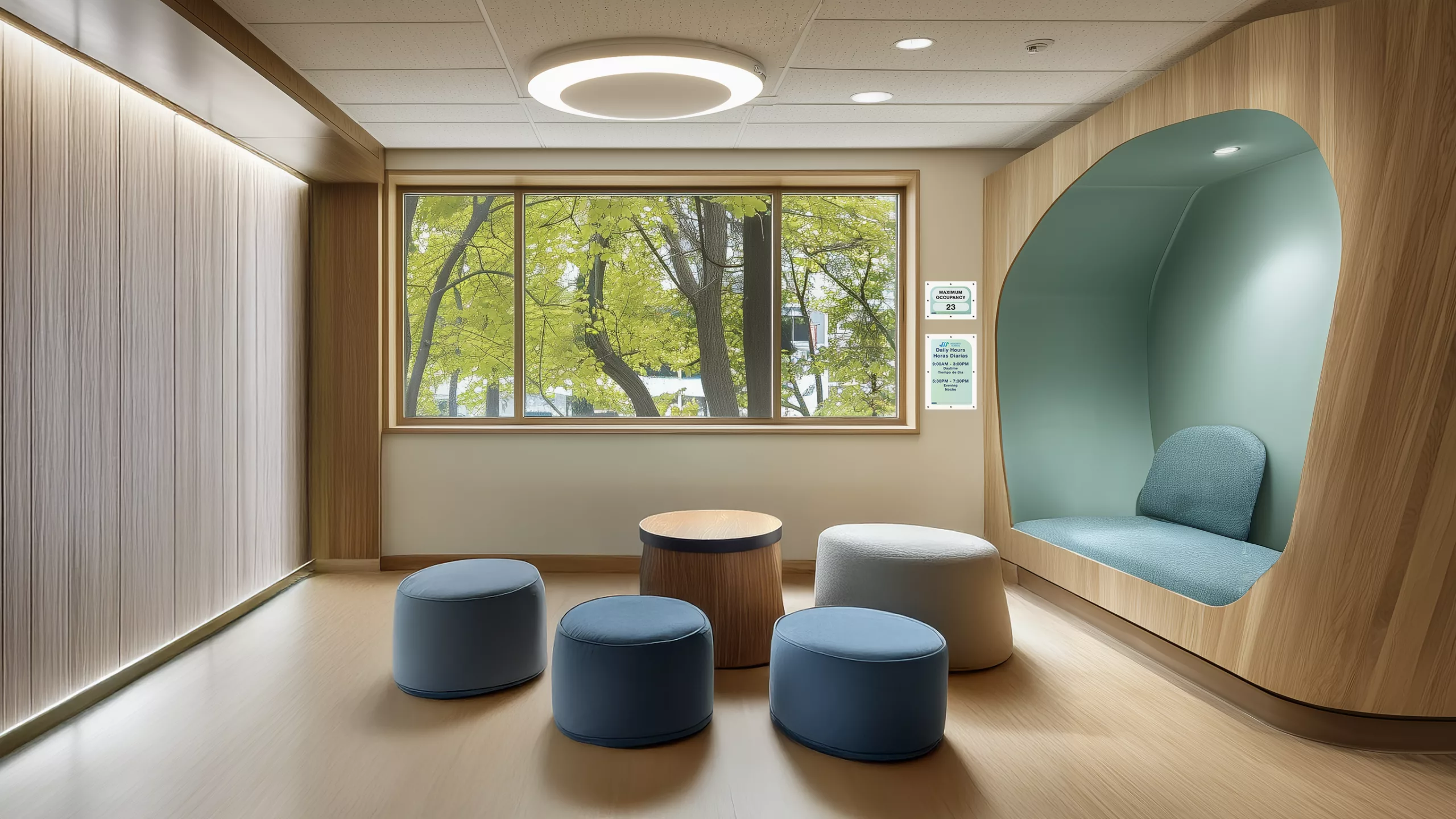
When we approach designing for behavioral health, we know it’s about so much more than your standard hospital layout—and we’re here to guide you through what really makes a difference. Creating healthcare interior spaces for behavioral health means we’re balancing two crucial elements: safety and genuine well-being. Think of it this way—we’re crafting environments where both patients and staff can feel truly supported and secure. You’ll find that elements like abundant natural light, those carefully chosen calming color palettes, and thoughtfully placed comfortable seating areas work together to ease stress and anxiety, naturally fostering that sense of healing and community you’re looking for.
Now, let’s talk safety—because we know this is where your concerns really lie, and rightfully so. We always incorporate secure storage solutions for medications and sensitive equipment, along with those easy-to-clean surfaces that support infection control and keep everyone healthy. Clear visual cues, such as patient door entry and safety boards, also help teams quickly understand precautions and care plans at a glance. Here’s what we love about flexible design features—think movable partitions and modular furniture—they’re game-changers that allow your spaces to adapt seamlessly to different therapeutic needs. This flexibility encourages genuine connection and support among patients and staff, which is exactly what you want to see happening.
We’re particularly excited about biophilic design elements in behavioral health facilities—trust us on this one. Whether it’s living walls or nature-inspired artwork, these touches of nature consistently help lower patient stress levels and contribute to those better health outcomes you’re working toward. By keeping our focus on the unique needs of your behavioral health patients, we’re creating environments that truly support healing, safety, and that sense of community that makes all the difference.
Your Workflow, Your Tools: Integrating Technology That Helps
Technology in hospitals should make your job easier, not add another layer of complexity. Clear communication between nurses, IT, and AEC teams is crucial when integrating new technology to ensure solutions fit seamlessly into daily routines. AEC teams and IT departments often select new tools, like AI-powered monitoring systems or real-time digital whiteboards, without fully understanding how they will fit into your daily routine.
Your feedback is essential. Does the new predictive analytics tool present information clearly during a high-stress situation? Is the Interactive Patient Care (IPC) tablet easy for both you and the patient to use? Delivering sustainable and effective technology solutions that meet the needs of both staff and patients is key to successful healthcare design, and that includes thoughtfully implemented customized patient communication boards. Technological integration, such as AI-driven analysis and advanced telehealth, enhances operational efficiency and patient care. Incorporating robust IT infrastructure allows healthcare facilities to scale for AI and new medical technologies without major structural retrofits. When nurses are involved in the selection and implementation process, the result is technology that feels like a helpful partner rather than another task to manage.
For example, a well-implemented IPC system can reduce non-clinical call lights, giving you back valuable time, especially when paired with patient room whiteboards designed for communication. But that only happens if the system is designed with your workflow in mind.
Biophilic Design: Bringing Nature into Healing Environments
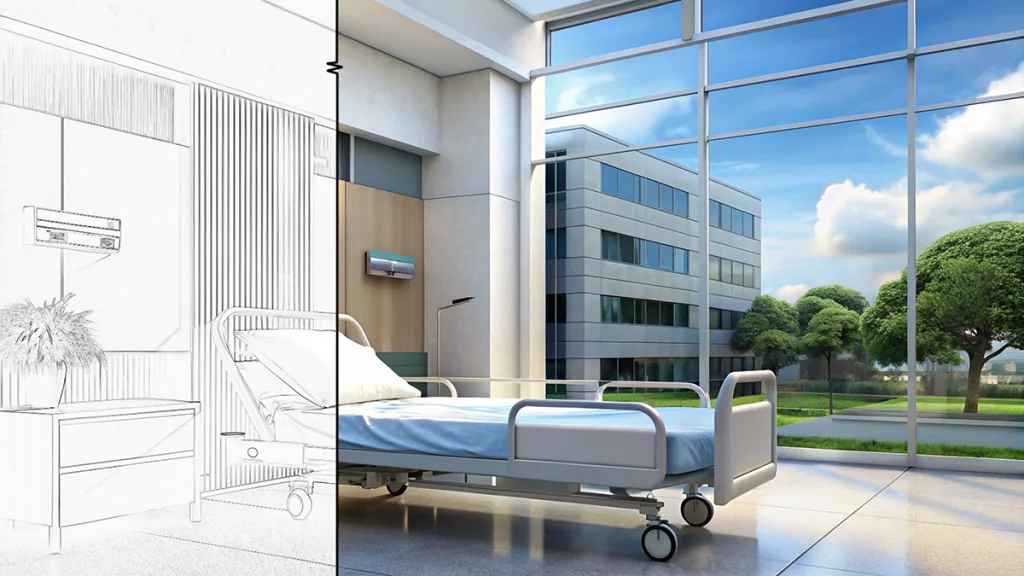
Here’s something exciting we’ve been seeing transform healthcare spaces everywhere: biophilic design is bringing the incredible healing power of nature right into hospitals and clinics where it’s needed most. When we thoughtfully weave in natural elements—think beautiful indoor plants, warm wood finishes, and calming stone accents—we’re creating healthcare environments that don’t just look good, but actually help patients and staff feel better and heal faster. It’s pretty amazing how this works.
What really gets us excited is the research backing this up. We know that when patients have access to natural light and can see some greenery, their stress levels drop, their mood lifts, and they often get to go home sooner. Picture this: healthcare facilities with peaceful green roofs, quiet courtyards, or welcoming indoor gardens where patients, families, and the hardworking clinical staff can take a breath and recharge. These connections to nature aren’t just nice to have—especially in medicine, they make a real, measurable difference in how well people heal.
Here’s what we find particularly meaningful about biophilic design: it gives people that vital connection to the outside world, which becomes so important for patients going through long-term treatment or those in behavioral health care. When we weave nature into the very fabric of these healthcare spaces, we’re helping create environments that work beautifully and efficiently, while also lifting spirits and supporting the healing process. That’s the kind of thoughtful design that makes all the difference.
Designing for Diverse Patient Populations: Meeting Every Need
When we think about healthcare spaces, we believe every single person who walks through those doors deserves to feel like they belong—and that’s exactly what inclusive design is all about. Think of it like creating a welcoming home where everyone, no matter their age, abilities, or background, can feel truly supported. We’ve seen firsthand how thoughtful, human-centered design transforms healthcare environments into spaces that genuinely adapt to each person’s unique needs, and the results? Better health outcomes that speak for themselves.
Let us paint you a picture of what this looks like in practice. Picture a pediatric clinic that feels more like a colorful playground than a sterile medical office—we’re talking playful colors and furniture that’s just the right size for little hands and feet. Now, shift to facilities serving our older adults, where we focus on what really matters: easy navigation, clear pathways that make sense, and seating that actually supports you when you need it most. And here’s something we’re particularly passionate about—creating spaces for patients with disabilities means thinking beyond the basics. We’re talking wheelchair-accessible exam rooms that don’t feel like an afterthought, restrooms that work for everyone, and signage that guides you intuitively through the space.
Here’s where things get really exciting—technology isn’t just a nice-to-have anymore, it’s become our trusted partner in breaking down barriers. Virtual care solutions and interactive displays are like having a personal translator and information guide rolled into one, helping bridge language gaps and putting personalized information right at your fingertips. When we embrace this kind of inclusive, human-centered approach, something beautiful happens: healthcare facilities transform into welcoming spaces where every patient feels genuinely valued and understood. The result? Not just improved health outcomes, but a real sense of community that you can feel the moment you walk in.
Your Expertise Shapes the Future
The design of your hospital directly impacts your well-being, your efficiency, and your patients’ outcomes. Current trends in healthcare design include biophilic design, hospitality-inspired aesthetics, trauma-informed principles, and advanced technology integration, all aimed at creating more human-centered and adaptable environments. Wellness is now a core focus, with healthcare design evolving to prioritize emotional and mental well-being alongside physical health. Sustainability has become a baseline expectation, especially given the scale of waste generated by U.S. hospitals—over 5 million tons annually, averaging 29 pounds per staffed bed every day. The use of sustainable materials is critical for long-term waste reduction and environmental responsibility.
Flexibility is increasingly prioritized in healthcare design, with modular construction and the ability to transform spaces—such as converting offices or vacant retail areas into healthcare facilities—enhancing community integration and operational agility. Designs that reflect familiar neighborhood spaces, like parks and markets, help create a welcoming atmosphere, while hospitality-inspired elements bring comfort and warmth to patient environments. Institutions are evolving from traditional facilities into interconnected, human-centered environments that support collaboration, mental health, and innovative care models. The importance of primary care and family-centered services is reflected in modern healthcare design, ensuring that patient rooms are adaptable and modular to meet diverse needs. Touchless technology and decentralized nursing stations are now standard, improving infection control and staff efficiency.
Exposure to natural elements and biophilic design features—such as walking paths, patios, and views of nature—has been shown to reduce stress, shorten recovery times, and improve patient satisfaction. Effective healthcare design prioritizes both emotional well-being and operational agility, supporting better outcomes for patients and staff. As highlighted in a recent article published in Healthcare Design Magazine, these trends are shaping the future of healthcare environments, ensuring that facilities are built not just to code, but for care.
Don’t underestimate the value of your experience. When you see an opportunity for a design improvement—a better-placed outlet, a more efficient supply closet, or a smarter room layout—speak up.
By sharing your insights with your managers and participating in design discussions whenever possible, you can help architects and designers create hospitals that are not just built to code, but built for care.

You Are the Expert: Making Collaborative Design Work
The most successful hospital design projects are the ones that break down silos. The best AEC firms facilitate co-design workshops where architects, engineers, interior designers, and administrators work directly with frontline clinical staff and clients. Interior designers work closely with clients to align design solutions with their needs and expectations, ensuring that every aspect of the healthcare environment design supports comfort, safety, and the overall healing environment.
These sessions are your opportunity to be heard. Interior designers provide a range of services in healthcare projects, including planning, interior design, furnishing, artwork, signage, and flexible space solutions tailored for medical facilities and their future needs, such as custom nurse unit communication boards. Evidence-Based Design (EBD) uses scientific research to create environments that improve clinical outcomes, safety, and psychological well-being. Research also indicates that environments designed with a focus on human-centered principles can significantly reduce stress and improve staff performance, highlighting the importance of thoughtful design in healthcare settings. You can help prototype new room layouts, test the placement of equipment, and map out workflows before a single wall is built. Your involvement ensures that the final design is practical, efficient, and truly supportive of the care you provide every day.