
Medical Artwork: The Art of Care Enhancing Outcomes with Healing Art
Healthcare facilities are undergoing a profound transformation. Medical professionals have long understood the science of medicine, but hospitals are increasingly recognizing the “art of care.” This concept blends clinical excellence with environments specifically designed to support recovery. Thoughtful facility design can significantly lower patient anxiety, creating spaces that feel less clinical and more supportive.
For hospital administrators and clinical managers, integrating medical artwork is highly relevant. Medical artwork includes medical illustration, photography, and fine art, creating visual representations of biological subjects, anatomy, and healthcare experiences. It is a proven strategy to improve patient satisfaction scores and enhance staff well-being. Facility leaders are actively seeking cost-effective innovations that align with stringent regulatory standards, and physical design elements offer a reliable path to achieving these goals. The history of medical artwork spans from historical anatomical drawings to modern 3D digital models, serving as a critical bridge between scientific data and human understanding.
This evolution aligns closely with the shift toward interactive patient care. When hospitals embrace environments featuring healing art, they build spaces that actively reduce stress and promote healing. Doctors and other healthcare professionals benefit from medical artwork, as visual aids can enhance patient education by helping clinicians explain pathologies, procedures, and conditions to patients. 3D modeling, virtual reality, and medical animations are now utilized to create interactive anatomical models, simulators for surgical practice, and to visualize sub-cellular processes or how medications move and interact within the body. These design choices empower staff efficiency while giving patients a greater sense of control over their recovery journey.
Explore the clinical benefits of carefully curated visual environments and examine a real-world community case study. We will also provide actionable ways to bridge the art of medical practice with facility design, ensuring your organization can deliver a superior standard of care and support overall wellness in healthcare environments.
Introduction to Healing Art
We understand that healing art—what many people know as art therapy—can feel like an unfamiliar concept, but it’s actually one of the most powerful forms of creative expression we’ve seen for supporting both mental and physical well-being. When we work with healthcare settings, we consistently see art therapy making a real difference in reducing stress, anxiety, and depression, while helping patients discover new ways to express themselves and connect with others. The art therapists we collaborate with are specially trained professionals—most hold master’s degrees in art therapy—who guide people through the meaningful process of exploring their emotions and life experiences using creative expression.
We want you to know that this healing approach isn’t just about mental health—we’ve seen it work wonders for cancer patients and individuals facing all kinds of physical health challenges. By bringing art into medicine, we’re creating safe spaces where patients can truly express themselves, work through complex feelings, and find genuine relief from mental health symptoms. Whether someone chooses painting, drawing, or any other visual art form, we’ve witnessed how the simple act of creating can spark hope and foster real well-being, making it an invaluable partner to traditional medical treatments.

The Benefits Behind Healing Through Art Therapy
The clinical perspective on why art heals is backed by substantial data. Carefully curated visual elements can lower patient stress, promote stress reduction, and enhance overall health outcomes by providing creative distraction. Research indicates that visual art has a strong, positive physiological effect on the brain, leading to stress reduction and supporting emotional well-being. Studies consistently show that patients exposed to nature scenes or calming visual elements experience lower blood pressure and require less pain medication.
The benefits extend deeply into the daily lives of healthcare staff. Working in high-stress environments frequently leads to burnout, but artistic healing environments can mitigate this fatigue. Healing arts programs benefit both patients and staff by improving quality of life and supporting emotional resilience. When nurses and clinical managers operate in thoughtfully designed spaces, they report higher job satisfaction. This environment empowers staff efficiency, ultimately leading to higher-quality care and fewer operational errors.
It is important to differentiate between generic decor and intentional design. True arts for healing initiatives align with industry standards for safe, patient-centered environments. Every element must adhere to strict healthcare regulations, ensuring materials are safe, hygienic, and compliant. Intentional design serves a distinct medical purpose, transforming blank walls into active participants in the recovery process. Visual art therapy can significantly improved the quality of life for cancer patients by reducing anxiety, depression, and fatigue scores.
Art Therapy for Mental Health
Art therapy opens up a wonderful and truly effective path for managing those challenging mental health moments we all face—whether it’s anxiety, depression, or working through difficult experiences. Through creative expression, you can process tough emotions and experiences in a space that feels safe and genuinely supportive. Art therapists work closely with you to develop personalized approaches—maybe it’s painting, drawing, or sculpting—that help you express and work through what you’re feeling in ways that feel right for you.
This approach is especially amazing for children, giving them a way to communicate without needing to find all the right words, while helping them build those healthy coping tools they’ll use throughout life. For adults, art therapy works beautifully alongside traditional talk therapy, making the whole experience more effective and giving you a fuller, more comprehensive approach to taking care of your mental health. By focusing on your own self-expression and creativity, art therapy empowers you to take an active, meaningful role in your healing journey, supporting your overall well-being and building that inner resilience we all need.
Bridging Care and Design: The Role of Interactive Patient Care
Medical practice itself is an art form. The physical design of a clinic or hospital should directly reflect that philosophy, creating a seamless experience for everyone who walks through the doors.
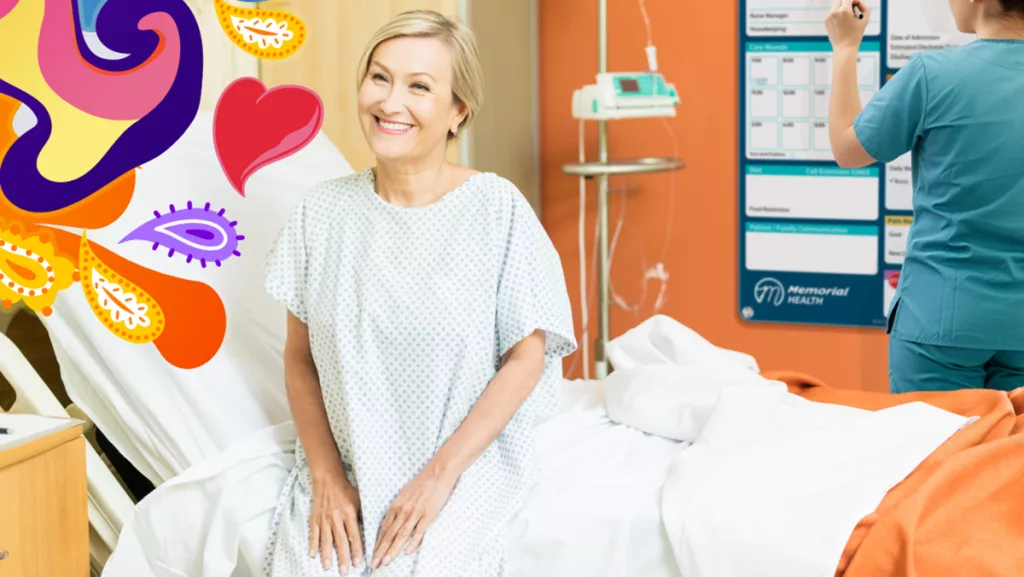
Patient communication boards serve as the perfect bridge between the art of care and the art of design. Often viewed merely as clinical tools, modern communication boards have evolved into functional medical artwork. They blend pleasing aesthetics with critical health information, ensuring patients remain informed without feeling overwhelmed by sterile hospital equipment. Anatomical illustrations and 3D models are also used as medical artwork to help students and patients visualize complex structures, making it easier to understand diagnoses and treatment options, and improving health literacy.
Customizable, user-friendly patient communication boards foster interactive patient care by keeping families updated and integrating smoothly into clinical workflows. These boards reduce communication gaps, allowing nurses to spend less time answering repetitive questions and more time delivering direct care. Because the interface is intuitive, it requires minimal staff training, resulting in high staff adoption rates. In medical schools, students are increasingly involved in art-based learning, where analyzing fine art helps develop observation and empathy skills—critical soft skills for future healthcare professionals.
These design choices, including interchangeable patient board graphics, offer scalable, cost-effective solutions for modern healthcare facilities. By investing in visually appealing, highly functional communication tools, administrators secure a high return on investment (ROI). They improve patient satisfaction, maintain compliance, and reduce long-term operational costs.
Healing Art Techniques
When we talk about healing art techniques, we’re really talking about opening doorways to wellness through creativity—and trust us, the possibilities are as vibrant as the art itself. These approaches blend artistic expression with therapeutic benefits, creating powerful tools that we’ve seen work wonders in healthcare settings. Let us walk you through some of the most effective techniques that are making a real difference:
- Painting and Drawing: Think of this as giving emotions a voice through color and line. We love how this technique lets you express what words sometimes can’t capture, helping you process feelings in a completely visual way that feels both natural and healing.
- Sculpting and Clay Work: There’s something deeply satisfying about working with your hands—it’s like having a conversation with the clay itself. This hands-on approach gives you a tangible way to release stress while channeling your energy into something meaningful and therapeutic.
- Collage and Mixed Media: Picture this as creative problem-solving at its finest. You get to explore different textures, colors, and materials, which naturally sparks fresh perspectives and innovative thinking (plus, there’s no “wrong” way to do it—how liberating is that?).
- Movement and Dance: We see this as where art meets motion, creating a beautiful synergy that supports your whole self. It’s not just about artistic expression—you’re also giving your body the gift of movement, which benefits both your mental and physical well-being.
- Group Art Projects: Here’s where the magic of community comes alive. Working alongside others builds those essential interpersonal connections while offering the kind of social support that reminds you—you’re not alone in this journey.
What makes these techniques truly special is their incredible adaptability. Whether you’re a patient seeking healing, a caregiver needing support, or staff looking for stress relief, we can tailor these approaches to meet you exactly where you are. That’s the beauty of healing art—it’s as flexible and unique as the people who engage with it.
Industry Case Study: Cornell Scott-Hill Health Center
The Cornell Scott-Hill Health Center stands as a prime example of successfully integrating the arts of healing into a clinical environment. Facing the challenge of creating a welcoming space that still met rigorous healthcare IT standards, the center launched a comprehensive healthcare design initiative. This approach reflects the long history of healing arts programs, with nonprofit organizations like Art & Creativity for Healing supporting emotional healing through art and creative expression since 2000, helping tens of thousands of individuals explore self-healing with art.
Leadership decided to curate art as a vessel to health and well-being for both the patient and the staff community. They selected visuals and functional tools that resonated with the local culture, ensuring the facility felt deeply connected to the people it served. These programs are designed to meet the specific needs of each person, enhancing self-care, emotional well-being, and personal development—especially for individuals living with trauma, disease, or disabilities.
The resulting feedback was overwhelmingly positive. Clinical managers noted high staff adoption rates for the newly implemented nurse unit communication boards and other interactive tools, while patients reported feeling more relaxed during their visits. The initiative proved that art heals, not just by comforting patients, but by creating an environment where staff can thrive. The active involvement of community members, staff, and patients in these art-based therapeutic programs led to increased self-esteem, a sense of control, and a reduction in feelings of isolation and anxiety among those involved.
Furthermore, the center extended its reach to support healing within the broader community. By involving local artists and focusing on community well-being, Cornell Scott-Hill demonstrated that arts and healing initiatives can successfully scale beyond hospital walls.
Measuring Success
We understand that evaluating healing art programs can feel like navigating uncharted territory—especially when you’re working to justify that investment to stakeholders who want to see real, measurable results. The good news? Success absolutely can be measured, and we’re here to walk you through exactly how to do it. Think of us as your trusted guide through a combination of quantitative and qualitative metrics that actually tell the story:
- Patient Satisfaction Scores: We’re talking about those meaningful improvements in HCAHPS and other patient experience surveys that show people genuinely feel better about their healthcare experience.
- Staff Well-Being: Picture this—reduced burnout rates and higher job satisfaction among your healthcare workers. When your team feels energized, everyone wins.
- Clinical Outcomes: Here’s where it gets really exciting—lower levels of reported pain, anxiety, and depression among patients. Real healing, measured in real ways.
- Engagement and Participation: Think increased involvement in art programs by patients, families, and staff. When people actively participate, you know you’re onto something special.
- Feedback and Testimonials: Those positive comments and heartfelt stories from participants about their experiences? They’re not just nice to have—they’re powerful evidence of impact.
We’re confident in sharing that research supported by organizations like the National Endowment for the Arts and leading healthcare foundations continues to demonstrate these measurable benefits of integrating art and healing into medical practice. You’re not just investing in a nice-to-have program—you’re making a decision backed by solid, credible evidence that builds trust with your community and stakeholders.
Future Developments
The future of healing art in healthcare is shaped by exciting innovations and our growing understanding of just how powerful creative expression can be. As your trusted guide in this evolving landscape, we’re seeing some incredible trends emerge that we think you’ll find as encouraging as we do:
- Digital Art Platforms: We’re expanding access to art therapy like never before—bringing virtual sessions and interactive media right to you, wherever you are. Think of it as your creative compass, always pointing toward healing opportunities.
- Community Partnerships: We’re building meaningful collaborations with local artists, nonprofit organizations, and schools to bring fresh perspectives and valuable resources directly into healthcare settings. It’s like creating a supportive network where everyone contributes to the healing journey.
- Personalized Healing Programs: Using real data and genuine patient feedback, we’re crafting art interventions that speak directly to specific needs—whether you’re navigating cancer treatment or working through trauma. We believe in tailoring the approach because we know every healing story is unique.
- Research and Advocacy: We’re continuing to invest in research that helps us better understand how art impacts health, and we’re championing its place in standard care practices. Because when something works, we want to make sure everyone has access to it.
As healthcare facilities look toward tomorrow, we know that embracing creativity and artistic expression will remain at the heart of our strategy for improving patient outcomes, supporting our dedicated staff, and building the kind of resilient, healing communities we all deserve to be part of.
Elevating Your Facility’s Healing Environment
Integrating healing art and functional design elements significantly enhances patient outcomes and staff efficiency. Tools like aesthetic patient boards represent the ideal merger of form and function, providing critical information while contributing to a calming atmosphere. Many facilities now offer free art therapy resources and workshops for patients and staff, making these benefits accessible to everyone and supporting emotional well-being without financial barriers.
Investing in the healing arts is a highly cost-effective strategy for facility growth and compliance assurance. Creative therapies, including art therapy, have gained attention for their ability to help individuals cope with trauma, grief, and stress, providing a means for self-expression and emotional exploration. Art can serve as a powerful tool for emotional healing, allowing individuals to express feelings that may be difficult to articulate with words. Administrators who prioritize these elements see long-term cost savings through improved staff retention, reduced medical errors, and higher patient satisfaction scores. By supporting patients and staff as they process grief and overcome bad things in life, healing arts contribute to overall wellness and a more supportive care environment.
Ready to transform your healthcare facility? Enhance your clinical environment by getting started with a consultation with our team today to evaluate your facility’s patient board art strategy.