
Tech at the Bedside: How to Improve Patient Care and Enhance Hospital ROI
Hospital administrators and clinical managers face a profound daily challenge. You carry the heavy responsibility of balancing strict regulatory demands with the heartfelt mission to elevate the quality of care for every patient. True healthcare improvement isn’t just about processes—it’s about people. Nurses and clinicians stand on the front lines, delivering compassionate, patient-centered care and coordinating seamlessly to ensure every interaction is meaningful and healing. As a leader, you need practical, scalable strategies that not only empower your team but also honor the trust patients place in your facility. Providing your staff with the right tools is a business decision and a commitment to the dignity in the well-being of those you serve.
Understanding how nursing technology supports patient care bridges the gap between meeting regulations and achieving genuine clinical excellence. Thoughtful investments in seamless, intuitive tools can ease the daily burdens on your staff, allowing them to focus on what matters most: the patients. Embracing the latest clinical and evidence-based practices ensures your facility delivers consistent, high-quality care rooted in compassion and the best available research. Tracking performance improves ROI and reflects your dedication to every patient’s health journey.
We explore how nursing technology can uplift the daily experiences of both patients and caregivers. Discover actionable ways digital workflows can nurture better patient outcomes while supporting your team’s well-being. By embracing modern tools like Interactive Patient Care platforms and digital patient whiteboards, your facility can create a hospital environment where healing and hope thrive. Understanding your patient community and leveraging health information technology to support care decisions empowers you and your staff to make a lasting difference in lives. Healthcare organizations increasingly recognize the profound value technology brings to improving patient care prioritizing care coordination, telehealth, remote patient monitoring, and patient self-scheduling to meet the growing needs of those you serve.
Introduction to Healthcare Technology
Healthcare technology has become your trusted partner in transforming patient care and we’re here to help you understand just how powerful this transformation can be. As a medical professional, you’re already discovering how the right digital tools can feel like having a knowledgeable ally by your side, one that helps you achieve better health outcomes while building stronger connections with your patients. These aren’t just gadgets or software—they’re your pathway to improved patient satisfaction, fewer medical errors, and treatment plans that truly work. We know navigating all these technological options can feel overwhelming, but think of each digital tool as a support system that enhances your ability to deliver effective, confident care that both you and your patients can trust.
Establishing a Baseline to Improve Patient Satisfaction and Care
Before implementing new technology, facilities must establish a clear performance baseline to understand how to improve patient care effectively. Measuring current outcomes allows clinical managers to pinpoint process inefficiencies accurately. Analyzing the patient population—using data from electronic health records and satisfaction surveys—helps identify growth opportunities and optimize care delivery. This initial assessment provides the necessary context to track the success of new digital integrations over time.
Data-driven insights are crucial for securing budget approvals and proving a tangible ROI on workflow investments. For example, if a hospital identifies a high frequency of patient call-button usage for routine schedule inquiries, tracking this metric establishes a baseline. Once new communication tools are introduced, leadership can measure the exact reduction in these interruptions. Tracking performance ensures that any implemented solution actively contributes to cost-effective innovation and long-term hospital growth. Monitoring clinical outcomes and implementing quality improvement initiatives further elevate care standards and organizational performance. Providing clear visit summaries and ensuring timely communication of test results also play a key role in improving patient understanding, retention, and continuity of care.
Utilizing real-time feedback tools enables healthcare providers to address patient concerns immediately, while continuous monitoring and proactive care planning are essential for timely responses to patients’ changing needs.
Reducing Medical Errors
Here’s the thing about medical errors—they’re absolutely preventable, and that’s great news for everyone involved. When we focus on reducing these errors, we’re not just checking boxes; we’re genuinely creating safer, higher-quality care that makes a real difference in patient outcomes. Think about it: patients feel more confident and satisfied when they know their healthcare team is actively working to keep them safe, and honestly, it makes financial sense too since preventing errors saves healthcare costs down the line. The best part? Healthcare providers can take straightforward, proactive steps to minimize these risks—and that’s exactly the kind of smart, caring approach that builds trust and delivers the excellent care patients deserve.
Driving Engagement with Interactive Patient Care
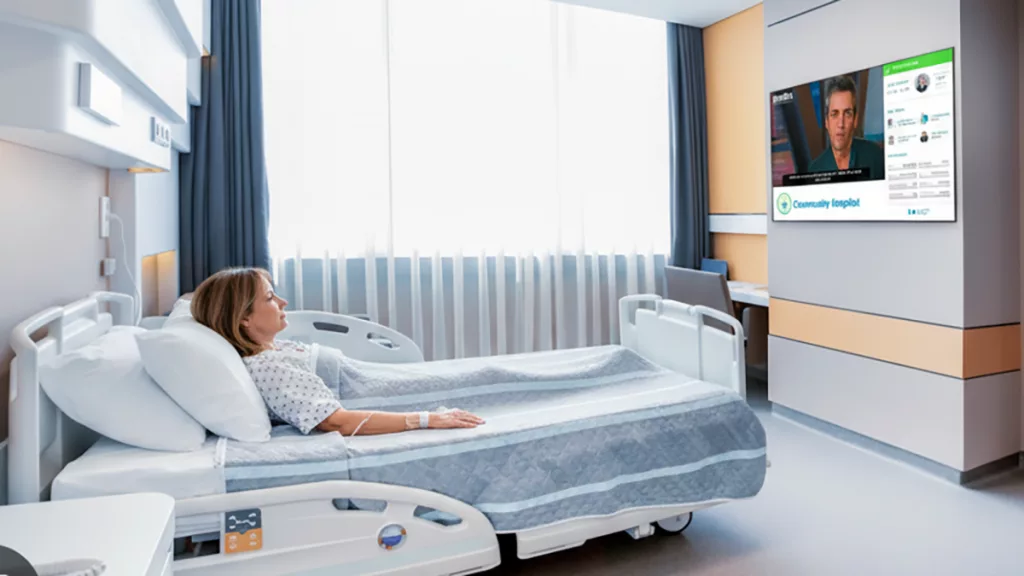
Interactive Patient Care (IPC) systems transform passive patients into active participants in their healing journey. Driving patient engagement relies on integrating user-friendly, HIPAA-compliant digital platforms directly into patient rooms. Empowering patients through education and involvement in their care plans leads to better engagement and adherence, as patients who understand their conditions are more likely to participate actively in their treatment. These systems offer highly accessible educational materials and real-time updates regarding the patient’s daily schedule.
Providing this level of transparency directly boosts patient satisfaction scores. Patients who feel empowered are more likely to be invested in their treatment and engage in care decisions. It is essential to ensure patients understand their care plans by using teach-back methods and fostering open dialogue, which confirms comprehension and supports shared decision-making.
Furthermore, there is a practical staff benefit to these seamless integrations. When patients can easily access their own health information and daily itineraries, nurses experience a significant reduction in call-button fatigue. This empowers staff efficiency and allows clinical teams to focus their energy on critical medical tasks. Patient portals also play a key role in supporting patient engagement and communication by providing convenient access to health information and tools for ongoing interaction.
Utilizing Digital Patient Whiteboards
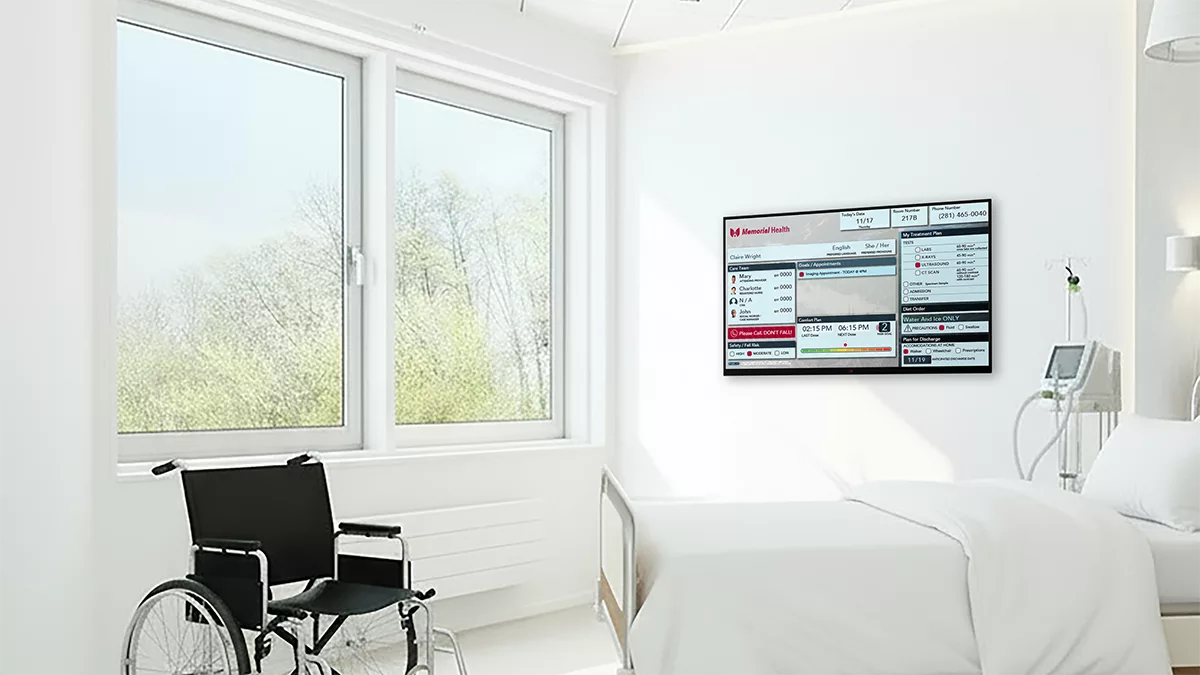
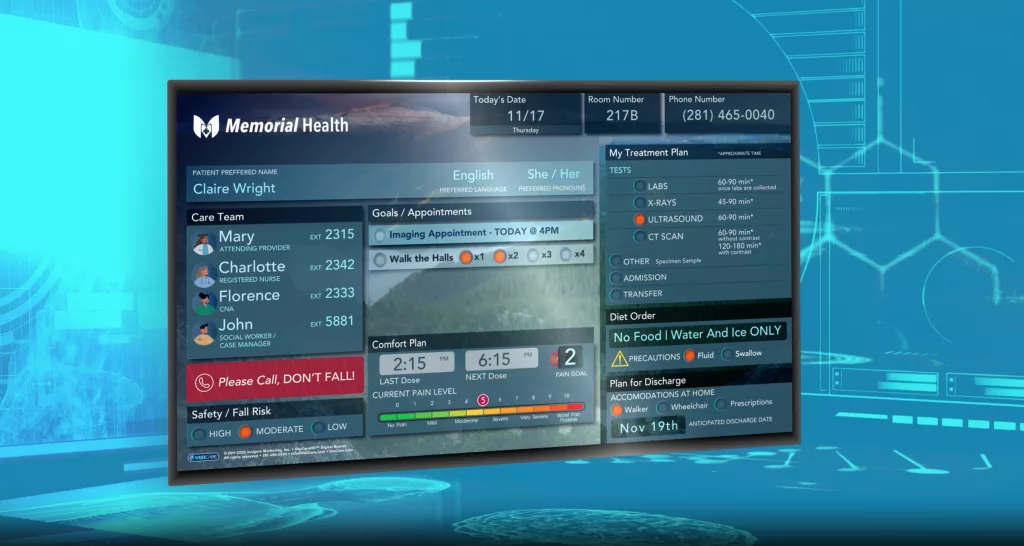
Customizable hospital whiteboards that improve patient satisfaction provide enduring value in clinical settings by serving as a reliable, central hub of information. Whether using analog formats or custom-designed patient room dry erase whiteboards and modern hybrid digital displays, these tools offer clear visual cues for the day’s care team, current pain scales, and specific recovery goals. Effective communication, strong bedside manner, and making eye contact during patient interactions are essential for enhancing patient experience and building trust.
Hospital leaders often ask how they can improve patient care communication across different shifts. Patient whiteboards answer this by bridging communication gaps between nurses, physicians, and visiting family members. Interchangeable patient board graphics also make it easier to keep information current across units and policy changes. Emphasizing a team approach and fostering open dialogue among all care team members ensures that everyone is actively involved in patient-centered care. These simple, user-friendly tools require minimal training while drastically reducing the risk of operational errors during shift changes. Offering emotional support and using active listening and empathy techniques further improve patient satisfaction and help patients feel acknowledged and understood. Implementing standardized visual cues helps to minimize confusion and enhances overall staff collaboration. Providing visit summaries to patients supports effective communication and continuity of care, helping patients retain important information after each encounter.
Electronic Health Records
Think of electronic health records (EHRs) as your healthcare team’s trusted digital companion—they’re truly the backbone of excellent modern care. Integrated digital boards that connect with EMR and EHR systems build on this foundation by surfacing real-time information right at the bedside. EHRs empower you and your entire care team to instantly access the most current patient information, seamlessly track medical histories, and coordinate treatment plans with every member of your healthcare family, ensuring everyone’s on the same page when it matters most.
Care Coordination and Management
Here’s the thing about great care coordination—when your healthcare team truly works together and keeps those communication lines wide open, you get something pretty wonderful: care that’s not just timely, but genuinely tailored to what you need as a unique person. It’s like having a trusted guide navigate the healthcare system alongside you, ensuring every piece of your treatment puzzle fits together perfectly for better outcomes and that satisfaction you deserve.
Combating Nurse Burnout: How to Improve Patient Care in a Hospital
There is a direct correlation between nurse satisfaction and clinical success. Overworked and stressed staff members are naturally more prone to operational errors. Supporting the well-being of clinicians is essential—not only for their own health, but also to enhance overall patient satisfaction and care quality. This compromises both regulatory compliance and the overall quality of care.
If you want to know how to improve patient care in a hospital, start by implementing intuitive, user-friendly tech tools that remove administrative friction. Empowering staff efficiency through streamlined digital workflows mitigates burnout and supports a much healthier work environment. Nurse practitioners and physician assistants play a vital role within healthcare teams, especially as organizations face physician shortages. Achieving successful quality improvement initiatives also depends on strong buy-in from both leadership and staff, ensuring new practices are embedded into routine care. When nurses spend less time wrestling with inefficient software or tracking down basic patient information, they can dedicate more time to providing compassionate, hands-on care.
Continuous education and training on the latest evidence-based guidelines are critical for healthcare professionals to make informed treatment decisions and improve patient care.
Targeting Readmissions and Closing Feedback Loops
Readmissions represent a major drain on hospital resources and serve as a negative indicator of overall clinical success. Technology aids in enhanced discharge planning and reliable post-care follow-ups to proactively improve patient health post-visit. Remote monitoring devices, such as those for tracking vital signs or managing chronic conditions, support care transitions by allowing clinical teams to monitor patient recovery outside the hospital. Providing timely access to care and coordinating care among healthcare providers, patients, and caregivers is essential to reduce readmissions and ensure continuity of care. Ensuring patients have access to their IPC data from home helps prevent relapses and targets the reduction of readmission rates.
Gathering patient feedback is another critical component of the recovery journey. Real-time digital feedback loops during a patient’s stay allow staff to address specific concerns long before discharge. Artificial intelligence is increasingly being used to support clinical staff by enhancing documentation accuracy and improving patient communication, such as through ambient listening tools. This responsive care model fosters a strong sense of trust and safety, ensuring that your team consistently delivers a high standard of care.
Integrated technology, such as advanced electronic health records, telehealth, and digital boards that deliver real-time updates with automatic entries, enables better patient management and streamlined operations. Telehealth also increases access to high-quality care for rural patients, supports staffing efficiencies, and helps meet the growing demand for continuous, coordinated care.

Next Steps for Optimizing Clinical Outcomes
Achieving lasting growth and truly exceptional care means embracing a deeply connected, compassionate approach. At the heart of every success story in healthcare is patient-centered care; where each individual feels seen, heard, and valued. Prioritizing patient safety and preventive care is a goal; it’s a promise to protect and nurture every life entrusted to your care. By strengthening medication management, enhancing health systems, and continuously refining processes, you create a healing environment where errors are minimized, and every moment counts.
Personalized treatment plans and a strong commitment to primary care ensure that every patient’s unique journey is honored, while expanding access to care brings hope and healing to diverse communities. The STEEEP framework (Safe, Timely, Effective, Efficient, Equitable, and Patient-centered care) offers a compassionate roadmap for healthcare leaders dedicated to delivering the highest quality service.
When patients experience truly patient-centered care, their physical and mental health improves profoundly showing the powerful impact of care that respects their needs and dignity. Relying on evidence-based practices keeps your team equipped to reduce risks, prevent medical errors, and provide the safest care possible. The World Health Organization reminds us that unsafe care tragically ranks among the top causes of death worldwide, a call to action for all of us to strengthen safety protocols like medication management, infection control, fall prevention, and vigilant monitoring.
Imagine a care environment where patient whiteboards, Interactive Patient Care platforms, and initiatives to ease nurse burnout come together seamlessly; creating a supportive, tech-enabled space where your team can thrive and patients feel genuinely cared for. Investing in customizable, scalable, and compliant solutions isn’t just smart—it’s a heartfelt commitment to your staff’s well-being and your patients’ health.
We invite hospital administrators and clinical managers to reflect on their current workflows and envision how thoughtful technology can support care. Reach out today to explore secure, seamless integrations that will elevate your facility’s care to new heights because every patient deserves nothing less.